☖ 실험실 인테리어의 기본 (Basics of Laboratory Interior Design)

실험실(Laboratory) 인테리어 디자인은 실험 목적에 따라 효율적이고 안전한 공간을 만드는 것이 중요.
잘 설계된 실험실은 안전성, 기능성, 효율성을 갖추어야 하며, 작업자들이 원활하게 실험을 수행하고 결과를 얻을 수 있도록 다양한 요소를 고려해야 함.
Laboratory interior design should focus on creating an efficient and safe space tailored to the purpose of the experiments.
A well-designed laboratory must prioritize safety, functionality, and efficiency, considering various elements to ensure that researchers can conduct experiments smoothly and achieve reliable results.
실험실 디자인의 기본 요소 (Fundamental Elements of Laboratory Design)
실험실 인테리어 디자인의 기본 요소는 공간의 구조, 작업 흐름, 안전성, 환기 시스템, 전력 및 배선 계획, 장비 배치 등을 포함. 실험실의 용도에 맞춰 설계하는 것이 핵심.
The basic elements of laboratory interior design include the spatial layout, workflow, safety, ventilation systems, power and wiring plans, and equipment placement. Designing the laboratory according to its specific purpose is key.
공간 계획 및 구조 (Space Planning and Structure)
공간 구조는 실험실에서 수행할 실험의 종류에 따라 결정.
The spatial structure is determined based on the types of experiments conducted in the laboratory.
실험실이 크게 물리적 실험실, 화학적 실험실, 생물학적 실험실로 나뉠 수 있으며, 각 실험실은 목적에 맞는 구조와 배치를 가져야 함.
Laboratories can generally be divided into physical laboratories, chemical laboratories, and biological laboratories, each requiring a structure and layout tailored to its purpose.
기초 연구 실험실: 데이터 분석 및 기초 실험을 위한 공간.
Basic Research Laboratory: A space dedicated to data analysis and fundamental experiments.
화학 실험실: 화학 반응 및 분석을 위해 화학 약품을 안전하게 다룰 수 있는 공간이 필요.
Chemistry Laboratory: A space designed for safely handling chemical substances to conduct chemical reactions and analyses.
생물학 실험실: 미생물이나 세포 배양 실험이 이루어지는 공간으로, 멸균 환경이 중요.
Biology Laboratory: A space for microbiology or cell culture experiments where maintaining a sterile environment is critical.
물리학 실험실: 전기 및 기계적 실험을 위한 안전한 전력 및 장비 배치가 필요.
Physics Laboratory: A space requiring safe electrical and mechanical setups for conducting experiments.
작업 흐름 및 공간 동선 (Workflow and Space Layout)
작업 흐름은 실험이 진행되는 순서에 따라 설계되어야 함.
작업 동선이 잘못 설계되면 실험 진행이 불편하고 효율성이 떨어지므로, 작업의 효율성을 고려한 공간 배치가 중요 함.
The workflow must be designed according to the sequence of experiments. If the workflow is poorly designed, it can cause inconvenience and reduce efficiency during experiments. Therefore, spatial arrangements that consider the efficiency of tasks are crucial.
중앙 작업 테이블: 실험 장비와 도구가 쉽게 접근 가능한 중앙 테이블이 필요.
Central Work Table: A central table is required where experimental equipment and tools are easily accessible.
재료 보관실: 실험 재료 및 화학약품을 쉽게 접근할 수 있는 위치에 두고, 분리된 보관 공간을 확보 함.
Material Storage Room: Experimental materials and chemicals should be stored in a location that is easily accessible, with separate and secure storage spaces.
세척 및 준비 구역: 실험 후 도구나 기구를 세척할 수 있는 세척 구역을 확보해야 함.
Washing and Preparation Area: A dedicated washing area should be secured for cleaning tools and equipment after experiments.
실험실 설계 시 준비사항 (Preparations for Laboratory Design)
환기 시스템 (Ventilation System)
실험실에서 발생하는 유해 물질이나 증기를 적절히 처리하기 위해서는 환기 시스템이 매우 중요.
The ventilation system is crucial for properly managing hazardous substances or vapors generated in laboratories.
특히 화학 실험실에서는 유해 물질이 실험실 공기를 오염시킬 수 있으므로, 다음과 같은 환기 설비가 필요 함.
In particular, in chemical laboratories, hazardous substances can contaminate the air, making the following ventilation equipment essential.
후드(Fume Hood): 화학 실험 중 발생하는 유해 가스를 외부로 배출하는 장치.
Fume Hood: A device that exhausts harmful gases produced during chemical experiments to the outside.
공조 시스템: 실험실 내 공기를 순환시키고, 유해 물질이 퍼지지 않도록 유지.
HVAC System: Circulates air within the laboratory and prevents the spread of hazardous substances.
필터 시스템: HEPA 필터와 같은 고성능 필터 시스템을 통해 공기 중의 입자를 제거하여 청정한 공기를 유지.
Filter System: High-performance filters like HEPA filters remove particles from the air to maintain clean and safe air quality.
조명 계획 (Lighting Plan)
조명은 실험실에서 중요한 역할을 함.
적절한 조명은 실험 결과의 정확성을 높일 수 있으며, 작업자의 눈의 피로를 줄여 줌.
Lighting plays a crucial role in laboratories. Proper lighting can enhance the accuracy of experimental results and reduce eye strain for workers.
일반 조명: 실험실 전체를 밝게 비추는 조명.
General Lighting: Provides overall illumination for the entire laboratory.
국부 조명: 세밀한 작업을 위한 스포트라이트나 작업등이 필요할 수 있음.
Task Lighting: Spotlights or task lamps may be necessary for detailed work.
자연 채광: 창문을 통해 자연광이 들어오도록 설계하되, 햇빛이 직접 실험에 영향을 미치지 않도록 조정해야 함.
Natural Daylight: The design should allow natural light to enter through windows, but it should be adjusted to ensure that direct sunlight does not interfere with experiments.

전력 및 배선 계획 (Power Supply and Wiring Plan)
실험실 내에서 사용하는 장비는 대개 전기적 요구가 크므로, 전력 공급과 배선 계획을 잘 설계해야 함.
전력 소모가 큰 장비가 많다면, 별도의 전기 패널을 통해 안전하게 전력을 공급하는 것이 필요 함.
Laboratory equipment typically has high electrical demands, so power supply and wiring plans must be carefully designed.
If there are many high-power-consuming devices, it is necessary to supply electricity safely through a separate electrical panel.
멀티탭과 전원 콘센트: 실험 장비마다 전원을 손쉽게 연결할 수 있도록 다수의 전원 콘센트를 배치 함.
Power Strips and Outlets: Install multiple power outlets to allow easy connection for each piece of laboratory equipment.
배선 트레이: 전선이 엉키지 않도록 깔끔하게 배선 트레이를 설치하여 정리 함.
Cable Trays: Organize wiring neatly by installing cable trays to prevent wires from tangling.
접지 시스템: 모든 전기 장비는 안전을 위해 접지되어 있어야 함.
Grounding System: All electrical equipment must be grounded for safety.
실험실 장비 배치 (Laboratory Equipment Layout)
실험실 인테리어 디자인에서 장비 배치는 효율적이고 안전한 작업 환경을 제공하는 데 매우 중요 함.
In laboratory interior design, the arrangement of equipment is crucial for providing an efficient and safe working environment.
실험 장비의 배치는 실험 목적, 사용 빈도, 공간 제약 등을 고려하여 결정해야 함.
The placement of laboratory equipment should be determined based on the purpose of the experiment, frequency of use, and space constraints.
중앙 실험 테이블 (Central Laboratory Table)
중앙 실험 테이블은 실험이 주로 이루어지는 공간 임.
테이블은 내구성이 강한 스테인리스 스틸이나 화학 약품에 강한 소재로 제작된 것이 좋음.
The central laboratory table is the primary workspace where experiments are conducted.
The table should be made of durable materials such as stainless steel or materials resistant to chemical substances.
부착형 콘센트: 실험 테이블에 전원 공급을 위한 콘센트가 부착되어 있어야 함.
Mounted Power Outlets: Power outlets should be mounted on the laboratory table to provide easy access to power for experiments.
세척 구역: 실험이 끝난 후 바로 세척할 수 있도록, 테이블 근처에 싱크대를 배치하거나 테이블 자체에 작은 세면대를 포함시킬 수 있음.
Washing Area: To enable immediate cleaning after experiments, a sink should be placed near the table, or a small built-in washbasin can be integrated into the table itself.
저장 및 보관 공간 (Storage and Preservation Space)
실험실에서 사용하는 도구, 기구, 시약 등을 안전하게 보관할 수 있는 저장 공간을 효율적으로 설계해야 함.
It is essential to design storage spaces efficiently to safely store tools, equipment, and reagents used in the laboratory.
시약 보관함: 화학 물질은 별도 보관함에 구분하여 저장해야 함.
Reagent Storage Cabinet: Chemical substances must be stored separately in designated storage cabinets.
기구 보관대: 실험 도구와 장비를 쉽게 사용할 수 있도록 선반 또는 서랍식 보관함에 정리해야 함.
Equipment Storage Racks: Experimental tools and equipment should be organized in shelves or drawer-type storage units for easy access and use.
냉장 및 냉동 보관: 생물학적 시료나 화학 물질은 냉장 또는 냉동 보관이 필요할 수 있으므로 냉장고나 냉동고도 필수.
Refrigeration and Freezing: Biological samples or chemical substances may require refrigeration or freezing, making refrigerators or freezers essential.
실험실 인테리어에서 필수 고려사항 (Essential Considerations for Laboratory Interior Design)
실험 환경의 규제 준수 (Compliance with Laboratory Regulations)
실험실은 국가 및 국제 안전 규정을 준수해야 하며, 특히 화학 및 생물학 실험실에서는 ISO 표준이나 OSHA와 같은 규제 기관의 가이드라인을 따라야 함.
Laboratories must adhere to national and international safety regulations, particularly in chemical and biological laboratories, where guidelines from regulatory bodies such as ISO standards or OSHA must be followed.
화재 안전, 화학 물질 관리, 전기 안전 등을 포함한 규정을 미리 숙지하고 이에 맞춰 설계해야 함.
Regulations covering fire safety, chemical management, and electrical safety should be thoroughly understood in advance and incorporated into the design.
유연성(Flexibility)과 확장성
실험실은 종종 다양한 실험이 이루어지기 때문에, 실험 목적에 따라 장비를 변경하거나 공간 구성을 바꿀 수 있는 유연성이 필요.
Laboratories often require flexibility to modify equipment or rearrange spaces depending on the purpose of the experiments being conducted.
또한, 연구소가 확장될 가능성을 염두에 두고 설계를 하면 장기적으로 더 효율적인 공간 활용이 가능 함.
Additionally, designing the lab with the possibility of future expansion in mind allows for more efficient use of space in the long term.
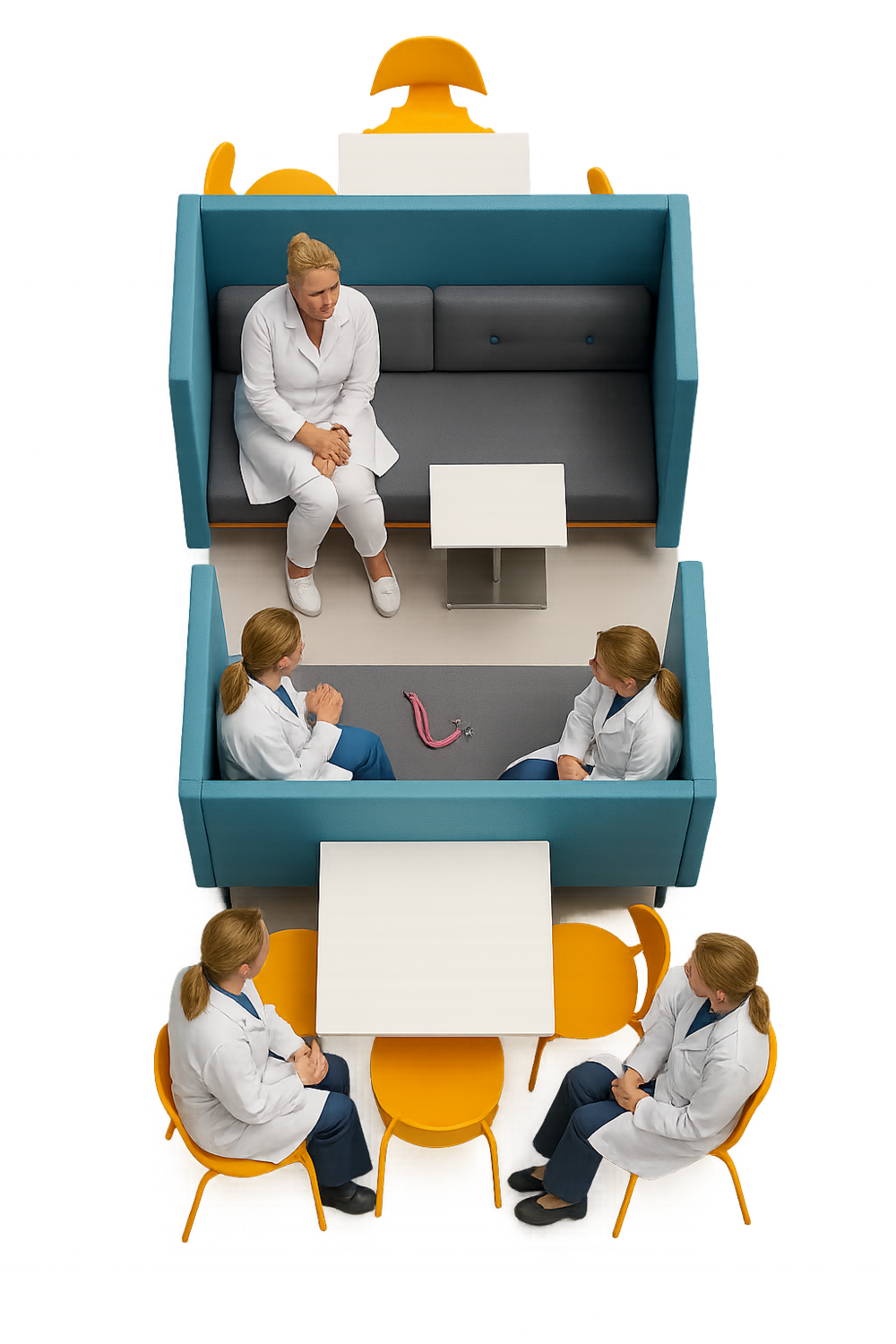
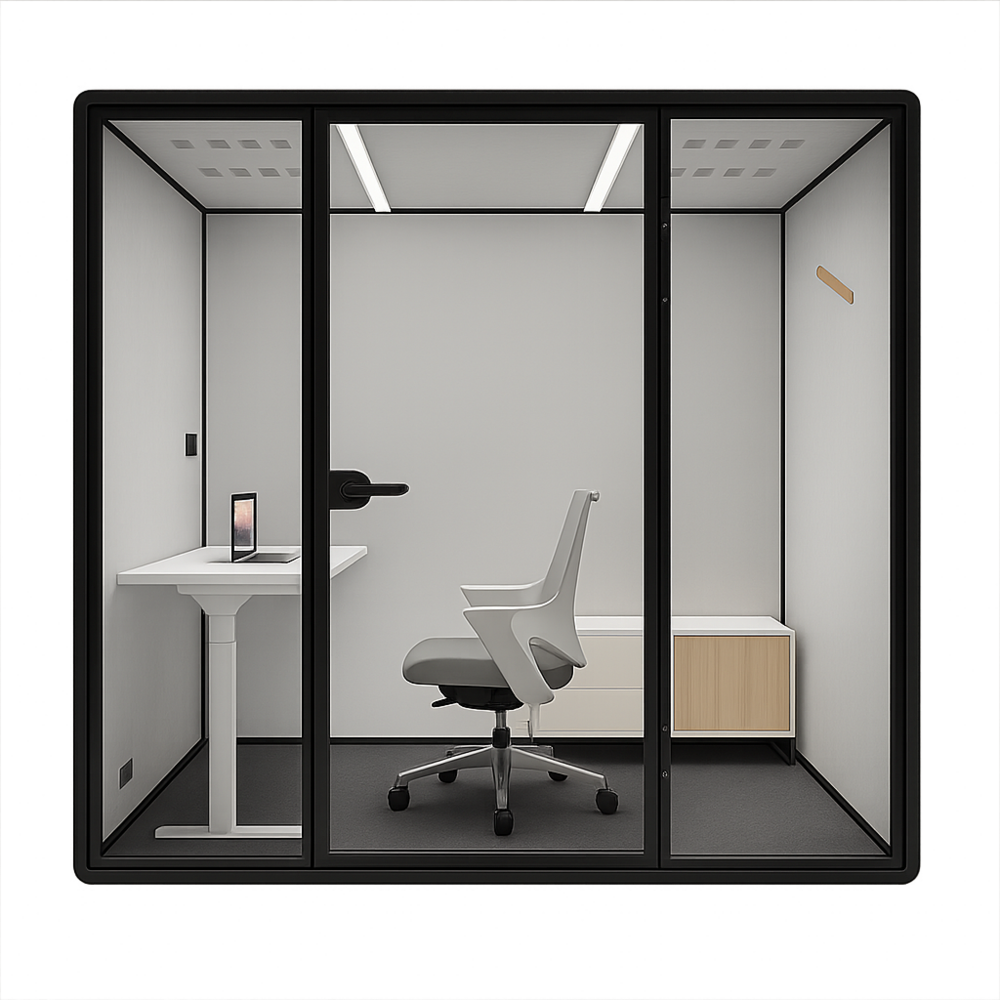
모듈식 가구: 필요에 따라 쉽게 재배치할 수 있는 모듈식 가구를 사용하여 유연한 공간 구성이 가능하도록 함.
Modular Furniture: Use modular furniture that can be easily rearranged as needed, enabling flexible space configurations.
확장 가능한 전원 및 네트워크 배선: 전력 및 네트워크 배선이 용이하게 확장될 수 있도록 계획함.
Expandable Power and Network Wiring: Plan for power and network wiring that can be easily expanded to accommodate future needs.
환경 친화적 설계(Eco-Friendly Design)
현대 실험실 설계에서는 환경 친화적 요소가 중요함.
In modern laboratory design, eco-friendly elements are essential.
에너지 절약형 장비를 사용하거나, 실험실 설계 시 에너지 효율성을 고려해야 함.
Energy-saving equipment should be used, and energy efficiency must be considered during the design process.
LED 조명: 에너지 효율이 높은 LED 조명을 사용하여 전력 소비를 줄임.
LED Lighting: Use energy-efficient LED lighting to reduce power consumption.
재활용 가능 소재: 실험실 가구 및 장비는 환경에 미치는 영향을 최소화하기 위해 재활용 가능 소재로 구성하는 것이 좋음.
Recyclable Materials: Laboratory furniture and equipment should be made from recyclable materials to minimize environmental impact.
실험실 인테리어 디자인은 실험의 효율성, 안전성, 작업 흐름을 고려하여 설계되어야 함.
이를 위해 공간 구조, 안전 설비, 전기 시스템, 환기 및 조명 등의 요소를 종합적으로 계획해야 하며, 실험실의 용도에 맞게 최적화된 환경을 제공하는 것이 목표.
준비 단계에서는 실험실이 수행할 실험의 유형과 장비 요구 사항, 그리고 규제 준수 사항을 명확히 이해하고 적용하는 것이 중요함.
Laboratory interior design should be planned with a focus on efficiency, safety, and workflow optimization.
This involves comprehensive planning of spatial layout, safety equipment, electrical systems, ventilation, and lighting, ensuring an environment optimized for the laboratory's specific purposes.
In the preparation phase, it is essential to clearly understand and address the types of experiments to be conducted, equipment requirements, and regulatory compliance.