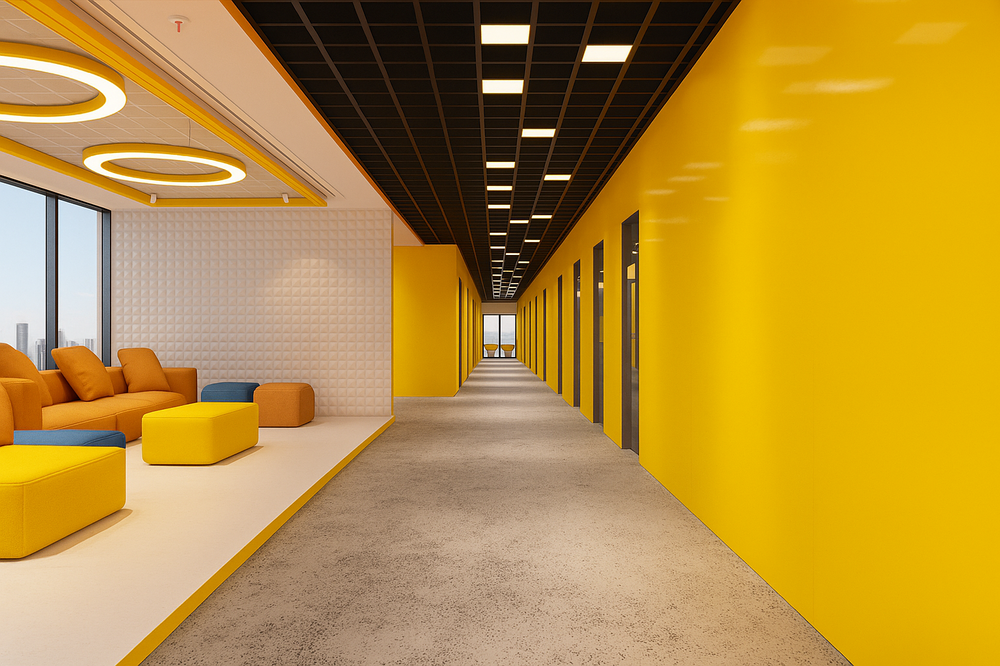
🩵 인테리어 기본핵심 (Interior design basics)
인테리어의 기본은 공간을 효율적이고 아름답게 설계하여 사람들에게 편안함, 기능성, 미적 만족감을 제공하는 것을 목표로 함.
The foundation of interior design is to efficiently and beautifully plan spaces, aiming to provide comfort, functionality, and aesthetic satisfaction to people.
인테리어는 단순한 장식이 아니라, 실용성과 미적 감각을 모두 반영해야 하며, 공간의 목적과 사용자 요구에 맞게 설계 됨.
Interior design is not merely about decoration; it must reflect both practicality and aesthetic sense, tailored to the purpose of the space and the needs of its users.
인테리어 디자인의 핵심 요소 (Key Elements of Interior Design)
공간(Space)
공간은 인테리어 디자인의 가장 기본적인 구성 요소.
공간은 2D(면적)와 3D(부피)로 나눌 수 있으며, 이를 어떻게 사용할 것인지가 디자인의 핵심.
양(Positive Space): 가구, 장식, 장비 등 물리적으로 차지된 공간.
음(Negative Space): 비어 있는 공간으로, 여백을 만들어 전체적인 조화를 이루는 데 필수적 임.
효과적인 인테리어 디자인은 균형을 고려하여 양 공간과 음 공간을 적절하게 배치하는 것 임.
Space is the most fundamental element of interior design.
It can be divided into 2D (area) and 3D (volume), and how these are utilized is the core of design.
Positive Space: The physical space occupied by furniture, decorations, or equipment.
Negative Space: The empty space, which is essential for creating balance and harmony in the overall design.
Effective interior design involves achieving a proper balance between positive and negative space.
라인(Line)
라인은 시각적으로 공간을 나누거나, 방향성을 부여하는 데 사용 됨.
선은 디자인의 요소들을 연결하며, 인테리어의 구조와 형태를 결정하는 데 중요한 역할을 함.
수평선: 안정감과 균형을 제공하며, 주로 가구나 벽 장식에서 나타 남.
수직선: 시선을 위로 끌어올리며, 공간에 높이를 부여 함.
대각선: 에너지와 움직임을 나타내며, 역동적인 디자인에 사용 됨.
Lines are used visually to divide spaces or provide direction.
Lines connect design elements and play a crucial role in determining the structure and form of interior design.
Horizontal Lines: Provide a sense of stability and balance, often seen in furniture or wall decorations.
Vertical Lines: Draw the eye upward and add height to a space.
Diagonal Lines: Represent energy and movement, used in dynamic designs.
형태(Form)
형태는 공간에 있는 물체의 모양을 의미 함.
가구, 장식품, 조각 등의 형태는 대칭적 또는 비대칭적일 수 있음.
대칭형태는 안정감과 질서를 제공하며, 전통적인 디자인에서 많이 사용 됨.
비대칭형태는 더 역동적이고 창의적인 느낌을 주며, 현대적이고 혁신적인 공간에 자주 사용 됨.
Form refers to the shape of objects within a space.
The form of furniture, decorations, sculptures, and other elements can be either symmetrical or asymmetrical.
Symmetrical forms provide a sense of stability and order and are often used in traditional designs.
Asymmetrical forms offer a more dynamic and creative feel and are frequently utilized in modern and innovative spaces.
빛(Lighting)
조명은 인테리어 디자인에서 매우 중요한 요소.
빛은 공간의 분위기를 결정하고, 각 요소를 시각적으로 강조하는 데 사용 됨.
자연광: 창문이나 유리벽을 통해 들어오는 자연광은 공간을 밝고 생동감 있게 만듬.
인공 조명: 실내의 각 공간에 따라 일반 조명, 작업 조명, 강조 조명 등을 사용하여 필요한 기능에 맞게 조도를 조절 함.
일반 조명: 공간 전체를 비추는 조명. 작업 조명: 특정 작업을 돕는 집중 조명.
강조 조명: 예술품, 벽면, 특정 영역을 강조하는 데 사용.
Lighting is a critical element in interior design.
Light determines the atmosphere of a space and is used to visually highlight various elements.
Natural light: Natural light entering through windows or glass walls makes a space bright and lively.
Artificial lighting: Artificial lighting can be adjusted according to the function of each interior space, using general lighting, task lighting, or accent lighting.
General lighting: Provides illumination for the entire space.
Task lighting: Focused lighting that assists with specific tasks.
Accent lighting: Used to highlight artwork, walls, or specific areas.
색상(Color)
색상은 공간의 분위기를 결정하는 중요한 요소 중 하나 임.
색상은 시각적 관심을 유발하고, 심리적으로도 공간에 대한 느낌을 조절할 수 있음.
따뜻한 색상(빨강, 노랑, 주황): 공간에 에너지를 더하고 활기찬 분위기를 만듬.
차가운 색상(파랑, 초록, 보라): 안정감과 평온함을 제공하며, 차분하고 휴식을 취할 수 있는 공간에 적합 함.
중립적인 색상(흰색, 회색, 베이지): 다른 색상을 강조하기 위한 배경으로 사용되며, 어떤 스타일에도 잘 어울림.
Color is one of the key elements that determine the atmosphere of a space.
It captures visual interest and psychologically influences how a space feels.
Warm Colors (Red, Yellow, Orange): Add energy to a space and create a lively atmosphere.
Cool Colors (Blue, Green, Purple): Provide a sense of stability and calmness, making them suitable for relaxing and tranquil spaces.
Neutral Colors (White, Gray, Beige): Serve as a background to highlight other colors and complement any style seamlessly.
질감(Texture)
질감은 표면의 물리적 특성을 나타내며, 공간에 시각적 흥미와 입체감을 더해 줌.
질감은 시각적 질감(시각적으로 느낄 수 있는 것)과 촉각적 질감(만질 수 있는 것)으로 나뉨.
부드러운 질감: 편안함을 주며, 공간을 따뜻하게 만듬.
거친 질감: 자연스럽고 대담한 느낌을 줌.
질감은 색상과 함께 사용되어 공간의 느낌과 분위기를 조절 함.
Texture refers to the physical characteristics of a surface and adds visual interest and depth to a space.
Texture can be divided into visual texture (perceived through sight) and tactile texture (felt through touch).
Smooth textures: Provide a sense of comfort and make a space feel warm.
Rough textures: Convey a natural and bold impression.
Texture is used in combination with color to adjust the feeling and atmosphere of a space.
패턴(Pattern)
패턴은 반복되는 디자인 요소로, 벽지, 직물, 카펫, 타일 등에 사용.
패턴은 공간에 시각적 흥미를 더하고, 특정 스타일을 강조하는 데 도움을 줌.
기하학적 패턴: 모던하고 현대적인 느낌을 줌.
꽃무늬 패턴: 자연적이고 부드러운 분위기를 만듬.
패턴을 사용할 때는 과도한 사용을 피하고, 공간 전체에서 조화를 이루도록 신경 써야 함.
Patterns are repeating design elements used in wallpaper, fabrics, carpets, tiles, and more.
They add visual interest to a space and help emphasize a particular style.
Geometric patterns: Create a modern and contemporary feel.
Floral patterns: Bring a natural and soft atmosphere.
When using patterns, it's important to avoid overuse and ensure harmony throughout the entire space.
인테리어 디자인의 기본 원칙 (The Fundamental Principles of Interior Design)
균형(Balance)
균형은 공간에서 무게를 시각적으로 어떻게 분배하느냐를 의미 함.
공간은 대칭적 균형, 비대칭적 균형, 방사형 균형을 통해 조화를 이룰 수 있음.
대칭적 균형: 공간의 양쪽이 거의 동일하게 배치된 균형. 전통적인 스타일에 자주 사용됨.
비대칭적 균형: 시각적으로는 다르지만 무게와 비율이 균형을 이루는 방식. 현대적인 디자인에서 자주 사용 됨.
방사형 균형: 중심에서 바깥쪽으로 퍼져 나가는 형태의 균형 임.
회의실이나 중앙 홀 같은 공간에서 주로 사용 됨.
Balance refers to how visual weight is distributed within a space.
A space can achieve harmony through symmetrical balance, asymmetrical balance, or radial balance.
Symmetrical Balance: This type of balance involves arranging both sides of a space almost identically. It is commonly used in traditional styles.
Asymmetrical Balance: Although visually different, this method achieves balance through weight and proportion. It is often seen in modern design.
Radial Balance: This balance radiates outward from a central point. It is typically used in spaces like conference rooms or central halls.
비율과 스케일(Proportion and Scale)
비율은 각 요소 간의 크기 관계를 의미하고, 스케일은 특정 물체가 공간에서 어떻게 느껴지는지를 나타 냄.
가구와 장식의 비율과 스케일을 적절히 조절하여, 공간이 지나치게 비좁거나 넓어 보이지 않도록 해야 함.
큰 공간에서는 큰 가구를, 작은 공간에서는 소형 가구를 배치하여 비율과 스케일을 맞추는 것이 중요 함.
Proportion refers to the size relationship between elements, while scale indicates how a particular object feels within a space.
It is important to adjust the proportion and scale of furniture and decorations appropriately to ensure the space does not feel overly cramped or excessively empty.
In larger spaces, using larger furniture is essential, while smaller furniture should be placed in smaller spaces to maintain proper proportion and scale.
조화(Harmony)와 대비(Contrast)
조화는 디자인 요소들이 자연스럽게 어우러지도록 하는 원칙 임.
색상, 질감, 형태 등에서 일관성을 유지하여 조화를 이룰 수 있음.
대비는 디자인에 흥미를 더하는 요소로, 밝은 색과 어두운 색, 부드러운 질감과 거친 질감 등의 대비를 통해 시각적 관심을 유도 함.
Harmony is the principle of ensuring that design elements blend together naturally.
It can be achieved by maintaining consistency in aspects such as color, texture, and form.
Contrast, on the other hand, is an element that adds interest to a design. It draws visual attention through contrasts like bright and dark colors, or smooth and rough textures.
리듬(Rhythm)
리듬은 디자인에서 반복적인 패턴이나 형태를 통해 시각적 흐름을 만들어내는 원칙.
리듬은 공간을 보다 일관성 있고 구조적으로 보이게 하며, 다양한 방식으로 표현될 수 있음.
반복: 동일한 요소를 반복하는 방법.
점진적 변화: 크기나 색상 등이 점진적으로 변해가는 방식.
Rhythm is a principle in design that creates visual flow through repetitive patterns or forms.
It makes a space appear more cohesive and structured, and it can be expressed in various ways.
Repetition: A method of repeating identical elements.
Gradation: A gradual change in size, color, or other properties.
초점(Focal Point)
초점은 시각적으로 가장 중요한 요소에 집중하도록 만드는 원칙.
방에 들어섰을 때 처음 눈에 띄는 부분으로, 초점은 자연스럽게 시선을 끌고 디자인의 중심이 됨.
초점은 벽난로, 예술작품, 큰 창문 등이 될 수 있으며, 이를 강조하기 위해 특별한 조명이나 장식을 사용할 수 있음.
The focal point is a principle that directs attention to the most visually important element.
It is the first thing that catches the eye when entering a room, naturally drawing focus and becoming the centerpiece of the design.
A focal point can be a fireplace, a piece of artwork, or a large window, and it can be highlighted using special lighting or decorations.
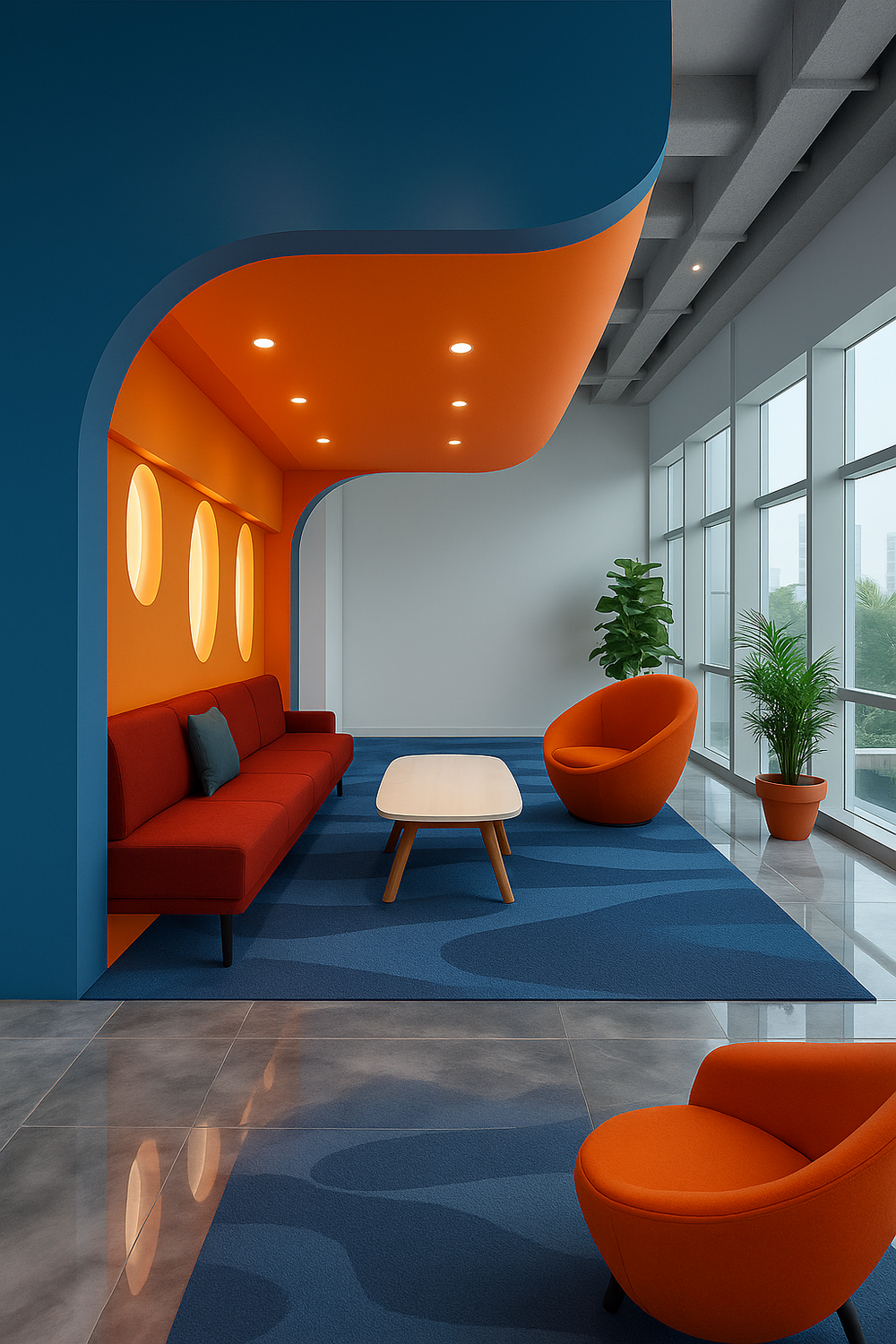
인테리어 디자인 준비 사항 (Preparation for Interior Design)
공간 분석 (Space analysis)
공간 분석은 디자인을 시작하기 전에 공간의 크기, 형태, 용도를 이해하는 과정.
공간의 기능과 사용자의 요구 사항을 고려하여 가장 효율적인 디자인을 계획해야 함.
Space analysis is the process of understanding the size, shape, and purpose of a space before beginning the design.
The most efficient design should be planned by considering the functionality of the space and the needs of its users.
용도 및 스타일 결정 (Determination of Purpose and Style)
공간의 용도와 스타일을 먼저 결정해야 함.
예를 들어, 실험실 공간은 기능성에 중점을 두어야 하고, 사무실은 생산성과 편안함을 제공할 수 있는 디자인이 필요 함.
스타일은 모던, 미니멀, 전통적, 산업적 등으로 결정 됨.
The purpose and style of the space must be determined first.
For example, laboratory spaces should focus on functionality, while offices require designs that promote productivity and comfort.
Styles can be chosen from modern, minimalist, traditional, industrial, and more.
재료 선택 (Material Selection)
인테리어 디자인에서는 재료 선택이 매우 중요 함.
바닥재, 벽 마감재, 가구 재질 등을 선택할 때는 내구성, 유지 관리 용이성, 미적 요소를 고려해야 함.
In interior design, material selection is very important.
When choosing flooring, wall finishes, and furniture materials, factors such as durability, ease of maintenance, and aesthetic appeal must be considered.
예산 및 일정 관리 (Budget and Schedule Management)
디자인 프로젝트를 성공적으로 완료하려면 예산과 일정을 철저히 관리해야 함.
재료비, 시공비, 장비 설치비 등을 정확히 계산하고, 시공 일정에 맞춰 작업을 진행해야 함.
To successfully complete a design project, it is essential to meticulously manage the budget and schedule.
The costs of materials, construction, and equipment installation must be calculated accurately, and work should be carried out according to the construction timeline.
인테리어 디자인의 기본은 공간, 빛, 색상, 질감, 패턴과 같은 요소를 조화롭게 배치하여, 미적 만족도와 기능성을 높이는 것.
The foundation of interior design is to harmoniously arrange elements such as space, light, color, texture, and patterns to enhance aesthetic satisfaction and functionality.
균형, 비율, 조화와 같은 원칙을 바탕으로 설계해야 하며, 사용자의 요구와 공간의 용도를 고려한 디자인이 필요 함.
Design must be based on principles such as balance, proportion, and harmony, while considering the user's needs and the purpose of the space.