
☖ 실험실 냉난방공사 (Heating and cooling construction)
실험실 냉난방 공사는 실험실 내부의 온도를 적절하게 조절하여, 실험 환경의 정확성과 안정성을 유지하고, 실험자의 안전을 보장하기 위한 중요한 작업.
Laboratory heating, ventilation, and air conditioning (HVAC) installation is a crucial process to maintain appropriate indoor temperatures, ensuring the accuracy and stability of the experimental environment while safeguarding researchers' safety.
실험실에서는 온도 변화가 실험 결과에 영향을 미칠 수 있으며, 고정밀 장비나 민감한 화학 물질을 다루기 때문에 정밀한 온도 제어가 필수적 임.
In laboratories, temperature fluctuations can affect experimental results, and precise temperature control is essential due to the presence of high-precision equipment and sensitive chemical substances.
실험실 냉난방 공사의 주요 고려 사항 (Key Considerations for Laboratory HVAC Construction)
온도 제어의 중요성
Importance of Temperature Control
온도는 실험 결과에 중요한 영향을 미칠 수 있음.
Temperature can have a significant impact on experimental results.
특히 화학, 생물학, 전자기기 관련 실험에서는 정밀한 온도 관리가 필요 함.
Precise temperature control is essential, especially in experiments related to chemistry, biology, and electronic devices.
실험 장비와 시약의 성능을 유지하기 위해 실내 온도를 18~25°C 범위 내에서 일정하게 유지해야 하고, 특정 실험에서는 더 세밀한 온도 관리가 필요할 수 있음.
To maintain the performance of laboratory equipment and reagents, indoor temperature should be kept consistently within the range of 18–25°C. For certain experiments, even more precise temperature management may be required.
냉난방 시스템의 특성
The characteristics of the heating and cooling system
실험실에서는 일반 냉난방 시스템과 달리, 공조 시스템을 통해 정밀한 온도 제어가 이루어져야 함.
In a laboratory, unlike a general heating and cooling system, precise temperature control must be achieved through an air conditioning system.
또한, 실험실에서 발생하는 열과 습도를 신속하게 제어할 수 있어야 함.
Additionally, the heat and humidity generated in the laboratory must be controlled promptly.
실험실 냉난방 시스템은 냉방, 난방뿐 아니라 습도 조절, 환기와 함께 연동되어야 하며, 이는 공기 조화 장치(AHU, Air Handling Unit)를 통해 통합적으로 관리될 수 있음.
The laboratory heating and cooling system should not only provide cooling and heating but also be integrated with humidity control and ventilation. This can be comprehensively managed through an Air Handling Unit (AHU).
온도와 습도의 상호 작용
Interaction of Temperature and Humidity
실험실의 냉난방 시스템은 온도뿐만 아니라 습도 제어도 포함해야 함.
The laboratory's heating and cooling system should include not only temperature control but also humidity regulation.
습도가 높거나 낮으면 실험 결과나 장비의 성능에 영향을 미칠 수 있으므로, 30~60% 범위에서 습도를 유지하는 것이 일반적 임.
If humidity is too high or too low, it can affect experimental results and the performance of equipment. Therefore, maintaining humidity within the general range of 30–60% is essential.
가습기나 제습기를 설치하여 실험실 내부의 습도를 관리하는 시스템이 필요 함.
A system that includes humidifiers or dehumidifiers is necessary to manage indoor humidity levels in the laboratory.
공기 흐름 및 배기
Airflow and Ventilation
냉난방 시스템은 실험실 내부 공기를 적절히 순환시켜 고른 온도 분포를 유지해야 함.
The heating and cooling system should circulate air properly to maintain an even temperature distribution throughout the laboratory.
특정 구역에 온도 차이가 발생하지 않도록 공기 흐름을 설계하는 것이 중요.
It is crucial to design airflow to prevent temperature variations in specific areas.
실험 중 발생하는 유해 물질이나 가스는 배기 시스템을 통해 신속하게 제거되어야 함.
Harmful substances or gases generated during experiments must be swiftly removed through the ventilation system.
이는 실험실 내부의 공기 질을 관리하고, 실험자와 장비를 보호하는 데 필수적 임.
This is essential for maintaining indoor air quality and protecting both researchers and equipment.
에너지 효율성
Energy Efficiency
실험실 냉난방 시스템은 에너지 효율성을 고려하여 설계되어야 함.
The laboratory's heating and cooling system should be designed with energy efficiency in mind.
실험실은 장시간 가동되기 때문에 에너지 소비량이 크며, 효율적인 시스템이 필요 함.
Since laboratories operate for extended periods, energy consumption is high, making an efficient system necessary.
단열 처리를 통해 에너지 손실을 줄이고, 장비와 공조 시스템이 최적의 성능을 발휘하도록 유지보수도 중요 함.
Proper insulation helps minimize energy loss, and regular maintenance ensures that equipment and HVAC systems perform optimally.
실험실 냉난방 시스템의 구성 요소 (Components of a Laboratory HVAC System)
공기 조화기 (AHU, Air Handling Unit)
Air Handling Unit (AHU)
실험실 냉난방 시스템의 중심 장치로, 공기 조화기(AHU)는 공기를 냉각하거나 가열하여 실험실에 적합한 온도로 유지 함.
The central device of the laboratory HVAC system, the Air Handling Unit (AHU), cools or heats the air to maintain a suitable temperature for the laboratory.
또한 공기 중 습도를 조절하고, 필터를 통해 청정한 공기를 제공.
It also controls humidity and provides clean air through filtration.
AHU는 실험실의 냉난방 요구 사항에 맞게 냉방 코일과 난방 코일, 가습기와 제습기가 포함 됨.
AHUs are equipped with cooling coils, heating coils, humidifiers, and dehumidifiers to meet the laboratory's HVAC requirements.
히트 펌프 (Heat Pump)
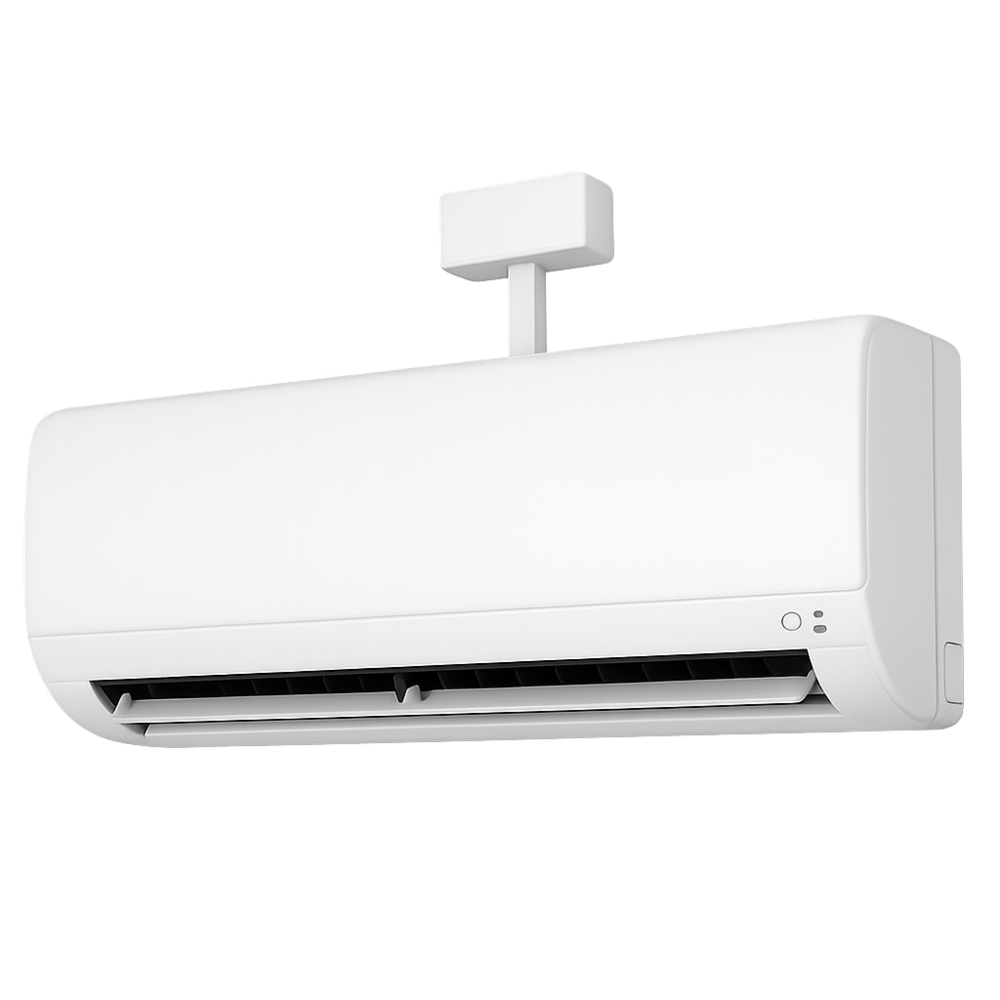
히트 펌프는 실험실 내부의 공기를 순환시켜 냉방과 난방을 모두 제공할 수 있는 장치.
A heat pump is a device that circulates air within the laboratory to provide both cooling and heating.
에어컨과 난방기의 기능을 통합하여 에너지 효율성을 높이고, 환경에 따라 자동으로 냉난방 모드를 전환할 수 있음.
By integrating the functions of an air conditioner and a heater, it enhances energy efficiency and can automatically switch between cooling and heating modes depending on environmental conditions.
냉방 시스템
Cooling System
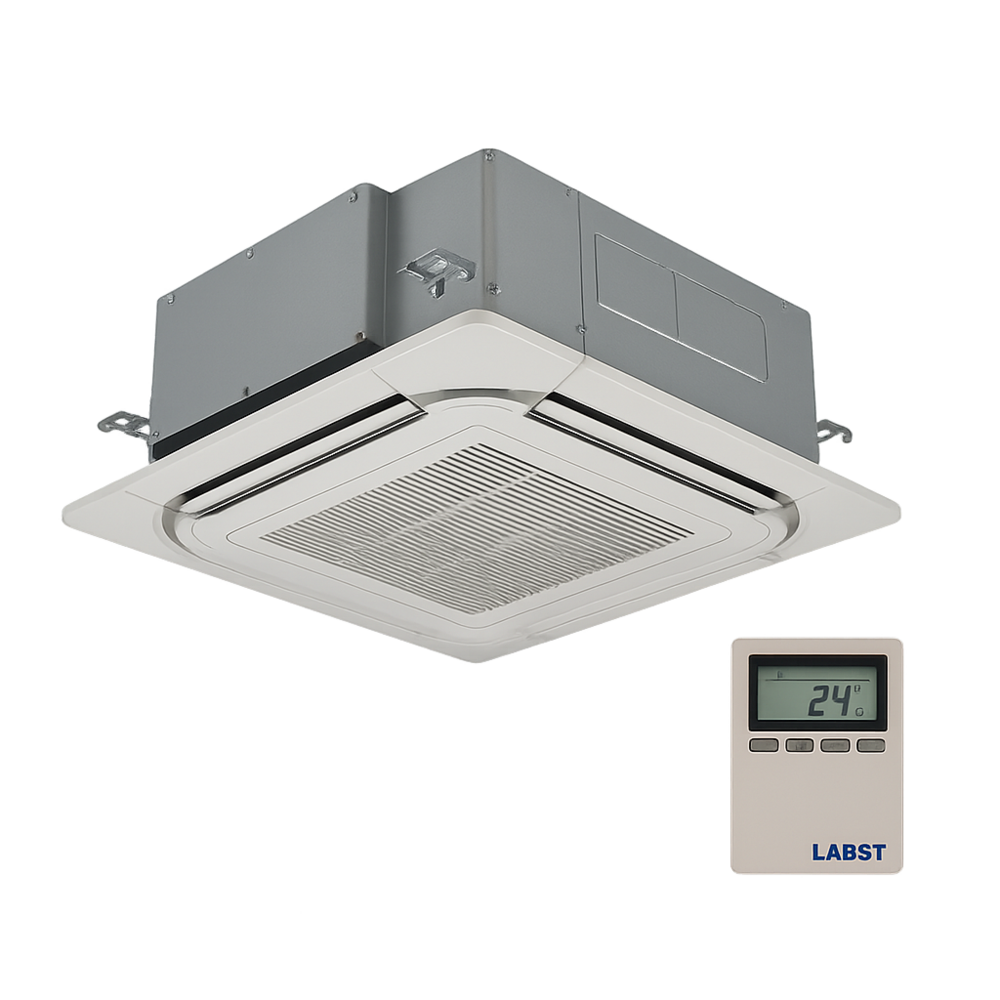
실험실 내 온도를 낮추기 위해 냉방 시스템이 설치.
A cooling system is installed to lower the temperature inside the laboratory.
냉방 장치는 실내 공기를 차갑게 하여, 실험실에서 발생하는 열을 제거하고 온도를 일정하게 유지.
Cooling devices cool indoor air, remove heat generated within the laboratory, and maintain a stable temperature.
주로 냉방 코일과 냉각수를 이용한 공기 냉각 시스템이 사용.
Air cooling systems that use cooling coils and chilled water are commonly employed.
난방 시스템
Heating System
실험실의 온도를 일정하게 유지하기 위해 난방 시스템이 필요.
A heating system is necessary to maintain a consistent temperature in the laboratory.
난방 시스템은 실내 온도가 낮을 때 온풍기나 전기 히터를 통해 적절한 온도로 조절.
When the indoor temperature is low, the heating system adjusts it to an appropriate level using air heaters or electric heaters.
보일러나 전기 히터가 주로 사용되며, 온풍 시스템은 공기를 데워 실내로 순환시킴.
Boilers or electric heaters are commonly used, while warm air systems heat the air and circulate it throughout the room.
온습도 제어 장치
Temperature and Humidity Control System
실험실의 온도와 습도를 실시간으로 모니터링하고, 필요에 따라 자동으로 조정할 수 있는 제어 장치가 설치 됨.
A temperature and humidity control system is installed to monitor real-time conditions and automatically adjust them as needed.
이러한 장치는 실험실 환경을 최적의 상태로 유지하고, 온도 변화에 민감한 실험 결과에 영향을 주지 않도록 관리 함.
This system maintains an optimal laboratory environment, preventing temperature fluctuations from affecting experimental results.tory.
덕트 시스템
Duct System
냉난방된 공기를 실험실 각 구역에 고르게 분배하기 위해 덕트 시스템이 설치.
A duct system is installed to distribute heated or cooled air evenly throughout different sections of the laboratory.
덕트는 실내 공기가 순환되도록 도와 고른 온도 분포를 유지.
Ducts help circulate indoor air, ensuring uniform temperature distribution.
덕트는 단열 처리가 되어 있어, 에너지 손실을 최소화하고, 공기 흐름이 원활하도록 설계 됨.
They are insulated to minimize energy loss and are designed for smooth airflow.
환기 및 배기 시스템
Ventilation and Exhaust System
실험실에서 발생하는 유해 물질이나 열을 외부로 배출하는 배기 시스템이 함께 설치.
An exhaust system is installed to remove hazardous substances or excess heat generated in the laboratory.
이는 실험실 내부의 공기 질을 유지하고, 공기의 흐름을 제어하는 데 중요한 역할을 함.
This system plays a crucial role in maintaining indoor air quality and regulating airflow within the laboratory.
초간단 냉·난방 용량 계산법
기본 값
실체적 V=면적×층고 [𝑚3]
외기량(환기) = V×ACH [𝑚3/ℎ]
(실험실 8~12 ACH, 클린/미생물 10~15 ACH 권장)
냉방(감열 기준) — “풍량식”
Vsupply = Qs / (1.2 × ΔT) [m^3/s]
Qs = 1.2 × Vsupply × ΔT [kW]
1.2 = 공기(ρ·cp), ΔT은 급기–실내 온도차(간이로 10 K 사용)
냉방(발열 합산식) — “합쳐 더하기”
Qcool = Q조명+Q장비+Q인원(감열)+Q외피+Q환기(감열+잠열)
조명: 10~15 W/m² × 면적
인원(감열): 75 W/인 (잠열은 55 W/인 정도 별도)
장비: 사양서 kW 합산(없으면 보수적으로 가정)
환기 잠열(여름): 외기 제습 필요 시 추가 10~30% 여유
난방(간이)
외피·환기·침투를 묶어 30~60 W/m² × 면적(일반 사무/연구) 또는 환기 감열식 활용
Qheat,vent = 1.2 V˙OA ( T실내−T외기 )
손쉽게 쓰는 면적법(첫 감)
일반 사무: 냉방 80~120 W/m², 난방 30~50 W/m²
실험실(장비·환기 多): 냉방 120~200 W/m², 난방 40~60 W/m² (장비·후드 많으면 상한값 사용)
예시(10 m × 10 m × 2.7 m 실험실)
체적 𝑉 = 270 𝑚 3 V=270 m 3 / 환기 10 ACH → 2700 m³/h
장비 3 kW, 조명 1.5 kW, 인원 5명(감열 0.38 kW), 외피 2 kW → 감열합 𝑄𝑠 = 6.9 𝑘𝑊
풍량식으로 역산: 𝑉 ˙ supply = 𝑄𝑠 / ( 1.2 × 10 ) = 0.575 𝑚3/𝑠 = 2070 𝑚3/ℎ
팁
DOAS/MAU로 환기·제습·양압 먼저 잡고, 실내 재열로 쾌적·제어 안정.
장비 발열과 후드 배기가 크면 면적법 하한은 금물(상한+여유).
결과는 팬 정압(500~800 Pa 가이드)과 함께 장비 사양서로 교차 확인.
실험실 냉난방 공사의 주요 단계 (Major Steps in Laboratory HVAC Construction)
설계 단계
Design Phase
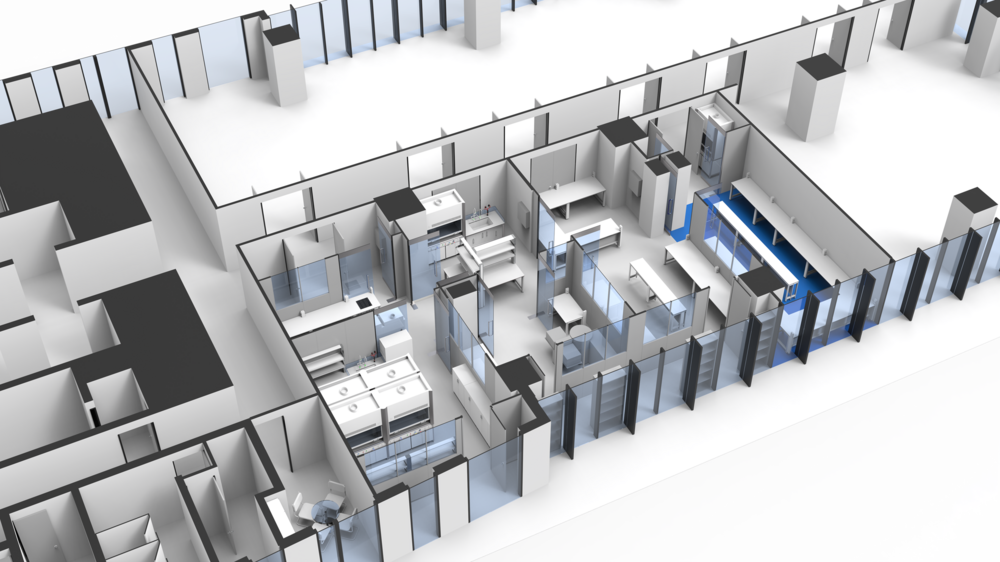
실험실의 사용 목적과 환경에 맞춰 냉난방 시스템을 설계.
Design the HVAC system to suit the purpose and environmental conditions of the laboratory.
실험실에서 발생할 수 있는 열, 습도, 장비 사용량 등을 고려하여 적절한 냉난방 시스템의 용량과 구성을 결정.
Determine the appropriate capacity and configuration of the HVAC system by considering heat generation, humidity levels, and equipment usage in the laboratory.
실험실 내 공기 흐름과 온도 분포를 분석하여, 특정 구역의 온도 차이를 최소화하는 설계를 진행.
Analyze airflow and temperature distribution within the laboratory to minimize temperature differences across specific zones.
공조 장치 및 덕트 설치
Installation of Air Conditioning Equipment and Ducts
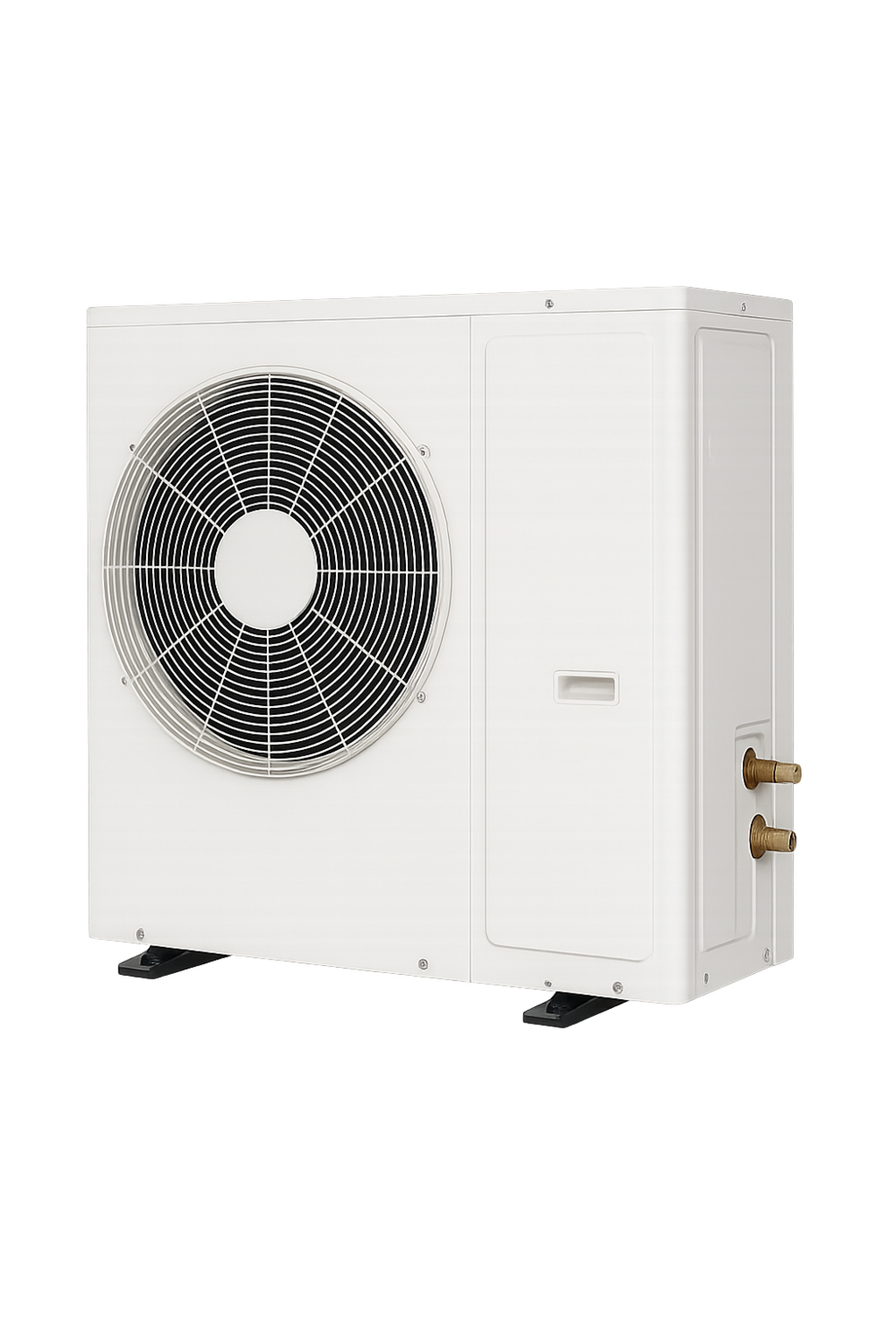
공기 조화기(AHU), 히트 펌프, 냉방/난방 장치를 설치하고, 실험실 내 덕트 시스템을 설치하여 공기가 순환할 수 있도록 함.
Install air handling units (AHU), heat pumps, and cooling/heating devices, along with a duct system to facilitate air circulation within the laboratory.
덕트는 실내 공기를 고르게 분배하여 온도가 일정하게 유지될 수 있도록 함.
The ducts ensure even air distribution, maintaining consistent temperatures throughout the space.
덕트는 적절한 단열 처리를 통해 에너지 손실을 최소화하며, 필요에 따라 필터를 추가하여 공기의 질을 개선할 수 있음.
Proper insulation is applied to ducts to minimize energy loss, and filters can be added to improve air quality as needed.
배기 시스템 설치
Installation of Exhaust System
실험 중 발생한 유해 물질이나 열을 외부로 배출하기 위해 배기 시스템을 설치.
Install an exhaust system to expel hazardous substances or heat generated during experiments.
실험실에 따라 국소 배기 장치(후드)를 함께 설치하여 오염 물질을 즉시 제거할 수 있도록 함.
Depending on the laboratory type, local exhaust devices (such as fume hoods) are installed to immediately remove contaminants.
온습도 제어 시스템 설치
Installation of Temperature and Humidity Control System
실험실 내 온도와 습도를 실시간으로 모니터링하고 제어할 수 있는 시스템을 설치.
A system will be installed to monitor and control the temperature and humidity in the laboratory in real time.
자동화된 시스템을 통해 실험 환경이 최적 상태로 유지될 수 있도록 설정하며, 경고 시스템을 통해 이상 상황이 발생할 경우 즉시 조치할 수 있음.
The automated system will ensure that the experimental environment remains in optimal condition. Additionally, an alert system will be set up to immediately respond to any abnormal situations.
테스트 및 점검
Testing and Inspection
냉난방 시스템이 설치된 후, 온도 및 습도 제어 기능을 테스트하고, 각 구역에서 공기가 고르게 분배되고 있는지 확인.
After the heating and cooling system is installed, the temperature and humidity control functions will be tested to ensure proper operation. Air distribution in each area will be checked to confirm uniform airflow.
냉난방 시스템이 원활하게 작동하는지 점검하고, 필요시 추가 조정이나 보완 작업을 진행.
The system’s performance will be evaluated, and any necessary adjustments or improvements will be made as required.
실험실 냉난방 공사는 실험실 내부의 온도와 습도를 제어하여 안정적인 실험 환경을 유지하고, 실험 장비와 화학물질의 성능을 보호하는 데 필수적인 작업.
Laboratory Heating and Cooling Construction
The laboratory heating and cooling system is essential for maintaining a stable experimental environment by regulating temperature and humidity. It also helps protect the performance of laboratory equipment and chemical substances.
공조 시스템을 통해 정밀한 온도 관리와 에너지 효율성을 높이고, 실험실의 안전성을 유지할 수 있음.
By using an HVAC system, precise temperature control can be achieved while improving energy efficiency and ensuring the safety of the laboratory environment.