
📐 실험실 컨설팅을 준비하기 전에 필요한 내용 (Necessary Preparations Before Laboratory Consulting)

실험실 컨설팅을 준비하기 전에 필요한 내용들은 실험실의 목적, 규모, 필요한 기술, 규제 요구 사항 등을 종합적으로 고려하는 과정이 필요 함.
컨설팅의 성공적인 진행을 위해서는 고객의 요구사항을 명확히 이해하고, 공간 설계, 장비 선택, 안전 기준, 운영 전략 등을 철저히 준비해야 함.
아래 내용은 실험실 컨설팅을 준비할 때 반드시 고려해야 할 주요 사항.
Essential Preparations Before Laboratory Consulting
Preparing for laboratory consulting requires a comprehensive process that considers the laboratory's purpose, scale, required technologies, and regulatory requirements.
To ensure successful consulting, it is crucial to clearly understand the client’s needs and thoroughly prepare for aspects such as space design, equipment selection, safety standards, and operational strategies.
Below are the key factors that must be considered when preparing for laboratory consulting.
목적 및 목표 설정
실험실의 주요 목적
실험실이 어떤 연구나 분석을 주로 수행할 것인지 명확하게 정의해야 함.
예를 들어, 화학 분석, 생명과학 연구, 제약 연구 등 각 분야에 따라 요구 사항이 달라 짐.
실험실 목표
실험실이 어떤 문제를 해결하고 어떤 성과를 목표로 하는지 설정.
이는 실험실의 설계 방향과 운영 전략에 큰 영향을 미침.
향후 확장 가능성
실험실이 미래에 확장 또는 변경될 가능성이 있는지 파악해야 함.
장기적인 성장 계획을 고려한 유연한 설계가 필요 함.
Purpose and Goal Setting
Primary Purpose of the Laboratory
Clearly define what type of research or analysis the laboratory will primarily conduct.
For example, chemical analysis, life science research, or pharmaceutical studies—each field has different requirements.
Laboratory Goals
Establish what problems the laboratory aims to solve and what outcomes it strives to achieve.
This significantly influences the laboratory's design direction and operational strategies.
Future Expansion Potential
Assess whether the laboratory might expand or change in the future.
A flexible design that considers long-term growth plans is essential.
공간 분석 및 요구 사항
현재 공간 분석
실험실이 이미 존재하는 경우 현재 공간의 상태를 파악하고, 공간이 충분한지, 개선이 필요한지 분석해야 함.
만약 신규 설계라면 가용 면적과 실험실 배치 계획을 확인.
공간 사용 계획
실험실 내 각 구역의 목적과 사용 계획을 수립.
예를 들어, 화학물질 취급 구역, 생물학 실험 구역, 일반 분석 구역 등 구역별 분리와 공간 배치를 고려해야 함.
작업 흐름 및 동선
연구원들의 작업 흐름이 원활하게 이루어질 수 있도록 장비 배치와 동선 최적화를 설계하는 것이 중요.
연구원들이 자주 이동하는 구역을 최소화하고, 실험 절차에 따라 공간을 배치 함.
Space Analysis and Requirements
Current Space Analysis
For an existing laboratory, assess the current state of the space to determine if it is adequate or needs improvement.
For a new design, review the available area and confirm the laboratory layout plan.
Space Utilization Plan
Develop a plan for the purpose and use of each area within the laboratory.
For example, designate zones for chemical handling, biological experiments, and general analysis, considering separation and arrangement for efficient space use.
Workflow and Movement
Optimize equipment placement and movement paths to ensure a smooth workflow for researchers.
Minimize frequent movement between zones and arrange the space according to experimental procedures.
필요 장비 및 기술 요구 사항
실험 장비 목록 작성
컨설팅을 위해 실험실에서 사용될 주요 장비의 목록을 작성해야 함.
이 목록은 분석 장비, 측정 장비, 컴퓨터 장비 등으로 구성되며, 각 장비의 크기, 전력 요구 사항, 배치 공간 등을 파악해야 함.
기술 요구 사항
실험에 필요한 기술적 요구 사항을 파악 함.
예를 들어, 특정 분석 기술, 고급 화학물질 취급 기술, 생물안전 설비 등이 포함될 수 있음.
장비 통합 및 자동화 시스템
미래 실험실에는 자동화가 중요한 요소가 됨.
실험실의 자동화 장비와 데이터 관리 시스템이 어떻게 통합될 수 있는지 계획해야 하며, 이를 통해 효율성을 극대화할 수 있는지 확인.
Equipment and Technical Requirements
List of Laboratory Equipment
Prepare a detailed list of essential equipment to be used in the laboratory for consulting purposes.
This list should include analytical instruments, measurement tools, computer systems, etc., along with details such as equipment size, power requirements, and placement space.
Technical Requirements
Identify the technical requirements needed for experiments.
These may include specific analytical techniques, advanced chemical handling methods, or biosafety facilities.
Equipment Integration and Automation Systems
Automation is a key element in modern laboratories.
Plan how laboratory automation equipment and data management systems can be integrated to maximize efficiency and streamline workflows.

규제 및 안전 기준
법적 규제 파악
실험실이 준수해야 할 법적 규제와 산업 표준을 파악.
국가 또는 지역별로 요구되는 화학물질관리법, 산업안전보건법, 대기환경보전법 등의 법률을 조사하고, 실험실 설계에 반영 함.
안전 기준
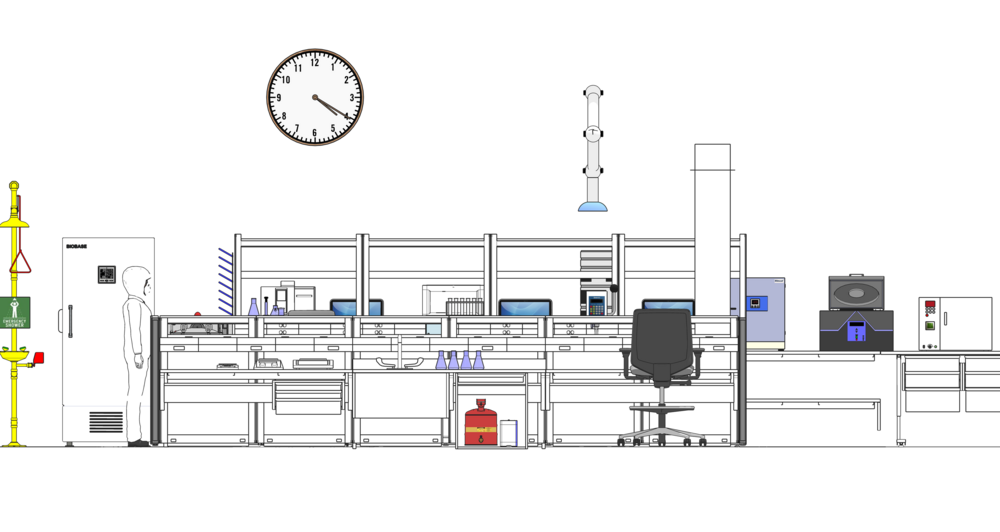
화학적 위험을 다루는 실험실은 화학물질 취급 안전을, 생물학적 위험을 다루는 실험실은 생물안전 기준을 준수해야 함. 배기 시스템, 소방 안전 설비, 안전 샤워 및 세안 시설, 비상 대피 경로 등을 설계에 포함해야 함.
환경 안전 관리
폐기물 관리, 오염 물질 배출, 물 사용 및 배출 시스템에 대한 관리 방안도 고려해야 함.
실험실 운영 중 발생하는 폐수나 폐기물 처리가 규제에 맞도록 관리될 수 있는지 확인 함.
Regulations and Safety Standards
Understanding Legal Regulations
Identify the legal regulations and industry standards that the laboratory must comply with.
Research laws such as chemical control regulations, occupational health and safety laws, and air quality preservation acts specific to the country or region, and incorporate these into the laboratory design.
Safety Standards
Laboratories handling chemical hazards must comply with chemical safety protocols, while those dealing with biological hazards must adhere to biosafety standards.
The design should include exhaust systems, fire safety equipment, emergency showers and eyewash stations, and emergency evacuation routes.
Environmental Safety Management
Consider management plans for waste disposal, pollutant emissions, and water usage and discharge systems.
Ensure that wastewater and waste generated during laboratory operations are managed in compliance with regulations.
인력 요구 사항 및 운영 계획
필요 인력 파악
실험실을 운영하기 위해 필요한 연구 인력, 지원 인력, 유지보수 인력의 요구 사항을 파악해야 함.
인력 배치 계획은 실험실 운영 효율성에 큰 영향을 미침.
교육 및 훈련 프로그램
실험실 운영과 관련하여 안전 교육, 장비 사용 교육, 비상 상황 대응 교육 등을 어떻게 제공할 것인지 계획해야 함.
특히, 안전 절차와 위기 대응 능력을 강화하기 위한 교육 프로그램이 필요 함.
운영 전략
실험실이 효율적으로 운영되기 위한 운영 전략을 수립해야 함.
이는 실험실 유지보수 계획, 자재 관리, 소모품 보충 등에 대한 세부 계획을 포함 함.
Staffing Requirements and Operational Planning
Identifying Required Personnel
Determine the staffing needs for operating the laboratory, including research personnel, support staff, and maintenance personnel.
Staffing plans have a significant impact on the efficiency of laboratory operations.
Education and Training Programs
Plan how to provide training related to laboratory operations, including safety education, equipment usage training, and emergency response training.
Develop specific programs to enhance safety procedures and crisis response capabilities.
Operational Strategy
Develop an operational strategy to ensure the efficient functioning of the laboratory.
This should include detailed plans for laboratory maintenance, material management, and replenishment of consumables.

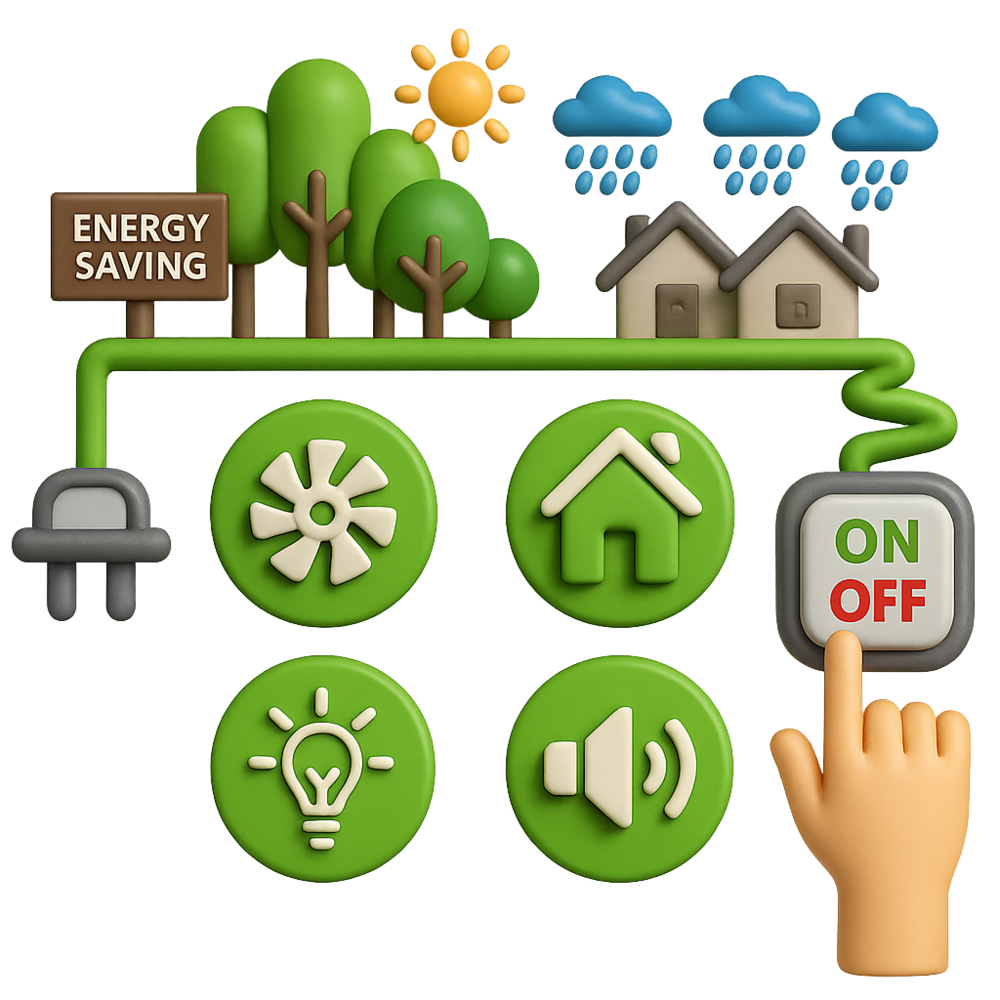
에너지 효율 및 친환경 설계
에너지 효율 개선
실험실의 에너지 소비량을 최소화할 수 있는 설계를 고민해야 함.
고효율 장비, LED 조명, 재생 가능 에너지를 사용해 에너지 비용을 절감하는 방안을 고려할 수 있음.
환경 친화적 설계
실험실 설계에서 친환경 자재와 자원 절약 기술을 반영하여 지속 가능한 실험실을 구축할 수 있는지 검토해야 함.
자원 재활용이나 에너지 관리 시스템도 도입 가능성을 평가해야 함.
자원 관리 시스템
물, 전기, 가스와 같은 자원의 사용을 효율적으로 관리하기 위해 자원 관리 시스템을 도입하고, 자동화된 절약 기술을 통합하는 방법을 고려해야 함.
Energy Efficiency and Eco-Friendly Design
Improving Energy Efficiency
Design the laboratory to minimize energy consumption.
Consider using high-efficiency equipment, LED lighting, and renewable energy sources to reduce energy costs.
Eco-Friendly Design
Incorporate environmentally friendly materials and resource-saving technologies into the laboratory design to create a sustainable facility.
Evaluate the feasibility of introducing resource recycling or energy management systems.
Resource Management Systems
Implement resource management systems to efficiently manage the use of water, electricity, and gas.
Consider integrating automated conservation technologies to optimize resource usage.
미래 확장성 및 유연성
공간 확장 가능성
연구 환경의 변화나 실험실 규모 확장에 따라 공간을 유연하게 변경할 수 있도록 설계해야 함.
모듈형 설계를 통해 필요에 따라 공간을 확장하거나 변형할 수 있는 구조가 필수.
기술 업그레이드 대비
실험실이 최신 기술에 맞춰 확장되거나 업그레이드될 가능성을 고려하여 기술적 유연성을 확보하는 것이 중요.
신규 장비 도입 시 공간 재구성이 용이한 구조를 설계해야 함.
장비 업그레이드 계획
현재 장비 외에도 미래에 필요한 장비가 추가될 수 있음을 고려해 전력 공급과 공간 확보를 계획해야 함.
Future Scalability and Flexibility
Space Expansion Potential
Design the laboratory to allow flexible modifications in response to changes in research needs or laboratory size.
Modular design is essential to enable expansion or reconfiguration of the space as required.
Preparation for Technology Upgrades
Ensure technological flexibility by designing the laboratory to accommodate upgrades or expansions with the latest technologies.
Create a layout that allows easy reconfiguration when introducing new equipment.
Equipment Upgrade Plan
Plan for power supply and space allocation, considering the potential addition of future equipment beyond the current setup.
예산 계획 및 일정 관리
예산 수립
실험실 설계와 설치에 필요한 전체 예산을 추정하고, 장비 구입 비용, 인프라 설치 비용, 운영 및 유지보수 비용 등을 포함하여 구체적인 예산 계획을 세워야 함.
일정 관리
실험실 설계, 장비 설치, 운영 준비까지의 일정을 수립하고, 주요 단계마다 프로젝트 관리를 할 수 있도록 일정 관리를 체계화 함.
구축 일정과 운영 개시 일정을 현실성 있게 계획해야 함.
Budget Planning and Schedule Management
Budget Planning
Estimate the total budget required for laboratory design and installation.
Develop a detailed budget plan that includes equipment purchase costs, infrastructure installation expenses, and operation and maintenance costs.
Schedule Management
Create a timeline covering laboratory design, equipment installation, and preparation for operations.
Systematically manage the schedule to track key milestones and ensure effective project management.
Plan construction and operational launch dates realistically to ensure feasibility.


고객의 요구사항 분석
고객의 구체적 요구
고객이 실험실에서 어떤 실험을 주로 수행할지, 연구 범위와 목표를 이해해야 하고. 이를 통해 맞춤형 설계를 제공할 수 있음.
기대 사항 확인
고객이 실험실에서 기대하는 성과와 결과를 명확히 파악하고, 고객의 비전과 일치하는 솔루션을 제안할 수 있어야 함.
실험실 운영 방식 분석
고객이 어떻게 실험실을 운영할 계획인지 분석하여, 최적의 운영 모델을 제안하고, 이를 통해 실험실 설계에서 연구 효율성과 비용 절감을 극대화할 수 있음.
Customer Requirements Analysis
Understanding Customer's Specific Needs
Understand what types of experiments the customer primarily plans to conduct and their research scope and goals.
This understanding enables the provision of tailored laboratory designs.
Identifying Expectations
Clearly identify the outcomes and results the customer expects from the laboratory.
Propose solutions aligned with the customer’s vision and expectations.
Analyzing Laboratory Operation Plans
Analyze how the customer plans to operate the laboratory.
Recommend an optimal operating model to enhance research efficiency and reduce costs, integrating these insights into the laboratory design.
사후 유지보수 계획
유지보수 요구 사항
실험실 설비와 장비가 정기적으로 유지보수될 수 있도록 유지보수 일정을 계획해야 함.
지속적인 지원
고객이 실험실 운영 중 발생할 수 있는 기술적 문제나 장비 고장에 대비한 사후 지원 시스템을 구축해야 함.
업그레이드 및 확장 지원
고객의 실험실이 미래 기술 발전이나 연구 확대에 맞춰 지속적으로 업그레이드될 수 있도록 지원 방안을 마련 함.
Post-Maintenance Plan
Maintenance Requirements
Plan a maintenance schedule to ensure that laboratory facilities and equipment are serviced regularly.
Continuous Support
Establish a post-support system to address technical issues or equipment failures that may occur during laboratory operations.
Upgrade and Expansion Support
Develop support strategies to help the laboratory adapt to future technological advancements or research expansions.

실험실 컨설팅을 준비할 때는 실험실의 기능, 목적, 안전 기준, 장비 요구 사항 등을 종합적으로 고려하여 효율적이고 안전한 연구 환경을 설계하는 것이 중요.
규제 준수, 에너지 효율성, 확장 가능성 등을 포함한 다양한 요소를 고려하여 실험실이 현재의 요구뿐만 아니라 미래의 변화에도 유연하게 대응할 수 있도록 준비해야 함.
When preparing for laboratory consulting, it is essential to design an efficient and safe research environment by comprehensively considering the laboratory's functions, purpose, safety standards, and equipment requirements.
It is important to account for various factors, including regulatory compliance, energy efficiency, and scalability, to ensure the laboratory can flexibly adapt to future changes while meeting current needs.