
📐 실험실의 종류 (Types of laboratories)
실험실은 연구 목적과 분야에 따라 다양한 종류로 나뉨.
각 실험실은 수행하는 연구와 실험에 맞는 장비, 시설, 안전 관리가 필요함.
Laboratories are categorized into various types based on their research objectives and fields of study.
Each laboratory requires equipment, facilities, and safety management tailored to the specific research and experiments conducted within it.

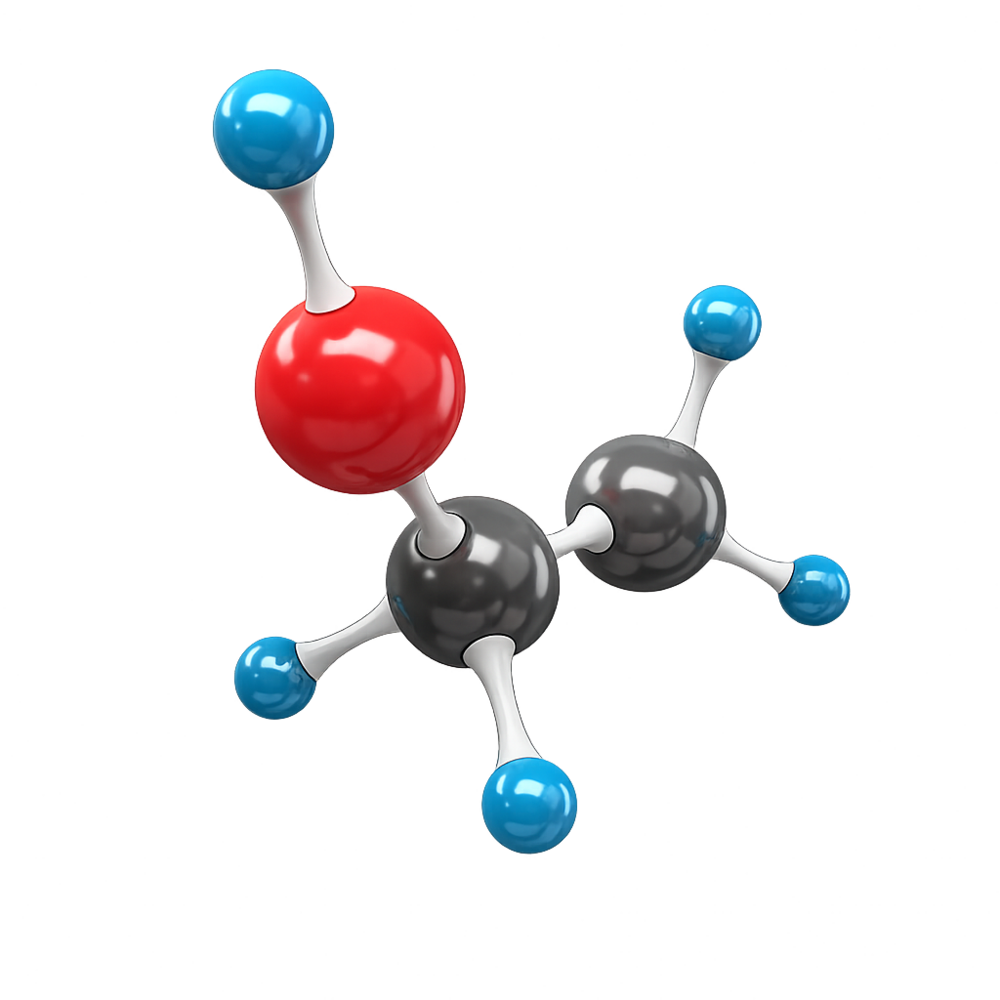
화학 실험실 (Chemistry Laboratory)
용도: 화학 실험실은 유기 화합물, 무기 화합물, 화학 반응, 촉매 등을 연구하고 분석하는 곳으로, 화학적 합성 및 분석, 물질의 구조와 성질을 확인하는 실험을 주로 수행 함.
A chemistry laboratory is a facility dedicated to the study and analysis of organic compounds, inorganic compounds, chemical reactions, and catalysts. It is primarily used for chemical synthesis and analysis, as well as for determining the structure and properties of substances.
주요 장비: 가스 크로마토그래피(GC), 고성능 액체 크로마토그래피(HPLC), 원자 흡광 분광계(AAS), pH 미터, 스펙트로포토미터 등
Gas Chromatography (GC), High-Performance Liquid Chromatography (HPLC), Atomic Absorption Spectrometer (AAS), pH Meter, Spectrophotometer
특징: 화학 물질과 독성 물질을 다루므로 환기 시스템이 중요하며, 시약 보관 캐비넷과 같은 안전 설비가 필요.
Due to the handling of chemical and toxic substances, a robust ventilation system is crucial. The laboratory also requires safety equipment such as chemical storage cabinets for reagents and materials.
생물학 실험실 (Biology Laboratory)
용도: 생물학 실험실은 생명체의 구조, 기능, 유전적 특징을 연구하며, 세포, 조직, 유전자, 단백질 등을 분석 함.
미생물, 식물, 동물 실험도 포함.
The biology laboratory is dedicated to studying the structure, function, and genetic characteristics of living organisms. It involves the analysis of cells, tissues, genes, and proteins, and also includes experiments with microorganisms, plants, and animals.
주요 장비: 생물 안전 캐비넷(BSC), 오토클레이브, 현미경, 인큐베이터, PCR 기기, 클린벤치 등
Biological Safety Cabinet (BSC), Autoclave, Microscope, Incubator, PCR Machine, Clean Bench
특징: 생물 안전성 수준(BSL)을 맞춰야 하며, 실험의 생물학적 위험성을 고려해 생물 안전 장비와 멸균 장치가 필수.
The laboratory must comply with the appropriate Biosafety Level (BSL) standards. Considering the biological risks associated with experiments, essential biosafety equipment and sterilization devices are mandatory.

미생물학 실험실 (Microbiology Laboratory)
용도: 미생물학 실험실은 박테리아, 바이러스, 곰팡이 등 미생물을 연구하며, 식품, 환경, 의약품에서 미생물의 분리, 배양, 동정을 주로 수행 함.
A microbiology laboratory is dedicated to the study of microorganisms, including bacteria, viruses, and fungi. Its primary activities involve the isolation, cultivation, and identification of microorganisms in food, environmental, and pharmaceutical contexts.
주요 장비: 배양기(Incubator), 멸균기(Autoclave), 생물 안전 캐비넷, 무균 작업대, 현미경 등
Incubators, Autoclaves, Biosafety cabinets, Laminar flow hoods, Microscopes
특징: 무균 상태가 매우 중요하므로 클린벤치와 오토클레이브 같은 멸균 장비가 필수적이며, 실험실 내에서 오염을 방지하는 무균 관리가 필요 함.
Maintaining a sterile environment is essential. Equipment like clean benches and autoclaves are crucial for sterilization, and stringent aseptic techniques are employed to prevent contamination within the laboratory.
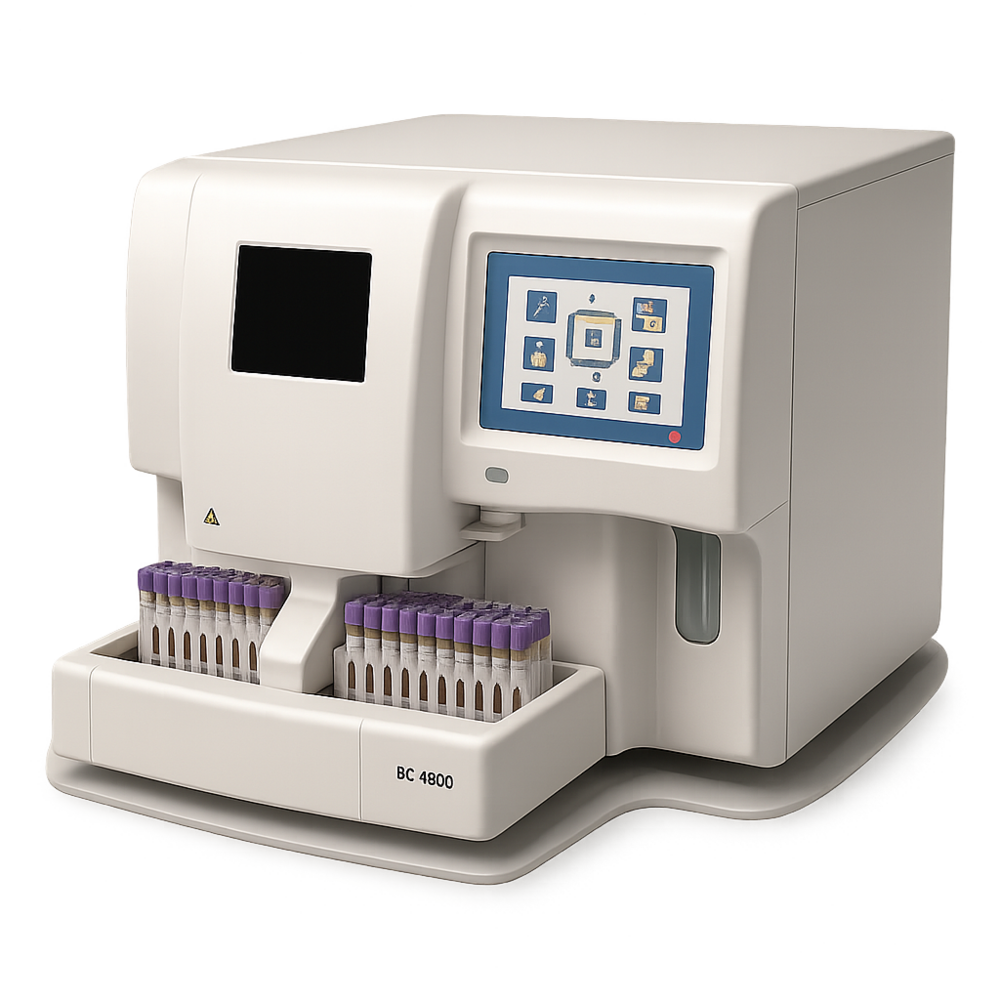
분석 실험실 (Analytical Laboratory)
용도: 분석 실험실은 화학 물질의 정량 및 정성 분석, 물질의 농도 측정, 오염도 분석 등을 주로 수행 함.
다양한 물질의 물리적, 화학적 특성을 분석하는 것이 목표.
The analytical laboratory specializes in the quantitative and qualitative analysis of chemical substances, measuring concentrations, and assessing contamination. The main objective is to study the physical and chemical properties of various materials.
주요 장비: GC, HPLC, FTIR, ICP-MS, XRF, NMR 등
GC (Gas Chromatography), HPLC (High-Performance Liquid Chromatography), FTIR (Fourier Transform Infrared Spectroscopy), ICP-MS (Inductively Coupled Plasma Mass Spectrometry), XRF (X-ray Fluorescence), NMR (Nuclear Magnetic Resonance).
특징: 정확하고 정밀한 결과를 도출하기 위해 장비의 교정과 유지 관리가 중요하며, 실험 데이터의 신뢰성과 정확성을 높이기 위한 정밀한 장비 사용법이 필요 함.
To achieve accurate and precise results, regular calibration and maintenance of equipment are essential. Additionally, mastering precise techniques is critical to ensure the reliability and accuracy of experimental data.

의약품 실험실 (Pharmaceutical Laboratory)
용도: 의약품 실험실은 의약품 개발, 약효 확인, 부작용 검증, 품질 관리를 목표로 함.
의약품의 안전성과 유효성을 연구하여 신약 개발을 지원 함.
A pharmaceutical laboratory focuses on drug development, efficacy verification, side effect testing, and quality control. It supports the creation of new drugs by studying the safety and efficacy of pharmaceuticals.
주요 장비: HPLC, 질량분석기(MS), 동물 실험 장비, 세포 배양기, 안정성 시험 장비 등
HPLC, mass spectrometers (MS), animal testing equipment, cell incubators, and stability testing instruments.
특징: 매우 엄격한 품질 관리 기준을 준수해야 하며, 실험 결과의 정확성과 재현성이 필수.
약물의 유효성과 안정성을 평가하기 위한 규제 기준을 충족해야 함.
The laboratory must comply with rigorous quality control standards. Ensuring the accuracy and reproducibility of experimental results is essential. It is also necessary to meet regulatory requirements for evaluating drug efficacy and stability.

환경 실험실 (Environmental Laboratory)
용도: 환경 실험실은 공기, 물, 토양 등의 환경 시료를 분석하여 오염물질의 농도와 분포를 평가.
주로 수질, 대기, 토양 오염을 측정하고 환경 보호와 관련된 데이터를 수집.
The environmental laboratory analyzes air, water, and soil samples to assess the concentration and distribution of pollutants. It primarily focuses on measuring water quality, air quality, and soil contamination, collecting data crucial for environmental protection.
주요 장비: ICP-MS, AAS, TOC 분석기, 이온 크로마토그래피, 가스 크로마토그래피(GC), 대기 질 측정기 등
ICP-MS, AAS, TOC analyzers, ion chromatography, gas chromatography (GC), and air quality monitors.
특징: 환경 오염에 대한 분석이 주로 이루어지며, 현장 샘플링 장비와 실험실 내 정밀 분석 장비가 필요.
데이터의 정확성과 신뢰성 확보가 중요.
The lab specializes in pollution analysis, requiring a combination of field sampling equipment and precise laboratory analytical instruments. Ensuring data accuracy and reliability is of utmost importance.

물리 실험실 (Physics Laboratory)
용도: 물리 실험실은 물리적 현상과 물질의 물리적 특성, 구조, 에너지 변화를 연구하며, 기계적, 열적, 광학적, 전기적 특성 실험을 수행.
The physics laboratory focuses on studying physical phenomena, the physical properties and structures of materials, and energy transformations. It conducts experiments on mechanical, thermal, optical, and electrical properties.
주요 장비: 오실로스코프, 레이저 장치, 열 분석기, 진동 측정기, 초음파 분석기, 스펙트로미터 등
Oscilloscopes, laser devices, thermal analyzers, vibration analyzers, ultrasonic analyzers, spectrometers.
특징: 실험실 설비는 고도로 정밀한 측정과 분석이 가능해야 하며, 장비의 교정과 실험 조건의 정확한 통제가 필요.
The laboratory setup must enable highly precise measurements and analyses. Proper calibration of equipment and strict control of experimental conditions are essential for accurate results.

전자 실험실 (Electronics Laboratory)
용도: 전자 실험실은 전자 기기, 반도체, 회로의 성능과 특성을 평가하고 개발.
주로 회로 설계, 전기 특성 분석, 반도체 특성 연구에 활용.
The electronics laboratory focuses on evaluating and developing the performance and characteristics of electronic devices, semiconductors, and circuits. It is primarily utilized for circuit design, electrical property analysis, and semiconductor characteristic studies.
주요 장비: 오실로스코프, 멀티미터, 신호 발생기, 로직 분석기, 반도체 분석 장비 등
Oscilloscopes, Multimeters, Signal Generators, Logic Analyzers, Semiconductor Analysis Instruments
특징: 고전압, 전류 측정과 관련된 안전 관리가 중요하며, 정밀한 회로 측정 장비와 테스트 장비가 필수.
Safety management related to high voltage and current measurements is critical. Precise circuit measurement and testing equipment are essential for ensuring accurate and reliable results.

공학 실험실 (Engineering Laboratory)
용도: 공학 실험실은 기계, 전기, 화학 등 다양한 공학 분야의 실험을 수행하며, 재료의 강도, 내구성, 성능 평가 등을 주로 진행 함.
The engineering laboratory performs experiments in various engineering fields, including mechanical, electrical, and chemical engineering. The primary focus is on testing the strength, durability, and performance of materials.
주요 장비: 유압 시험기, 인장 시험기, 압축 시험기, CAD 시스템, 3D 프린터, CNC 장비 등
Hydraulic testing machines, tensile testers, compression testers, CAD systems, 3D printers, CNC machines, and other specialized tools.
특징: 대형 장비와 특수 공구가 필요하며, 특히 안전사고 예방을 위한 보호 장치와 안전 수칙이 중요.
The laboratory is equipped with large-scale equipment and requires specialized tools. Safety is a critical consideration, with protective measures and adherence to strict safety protocols essential to prevent accidents.
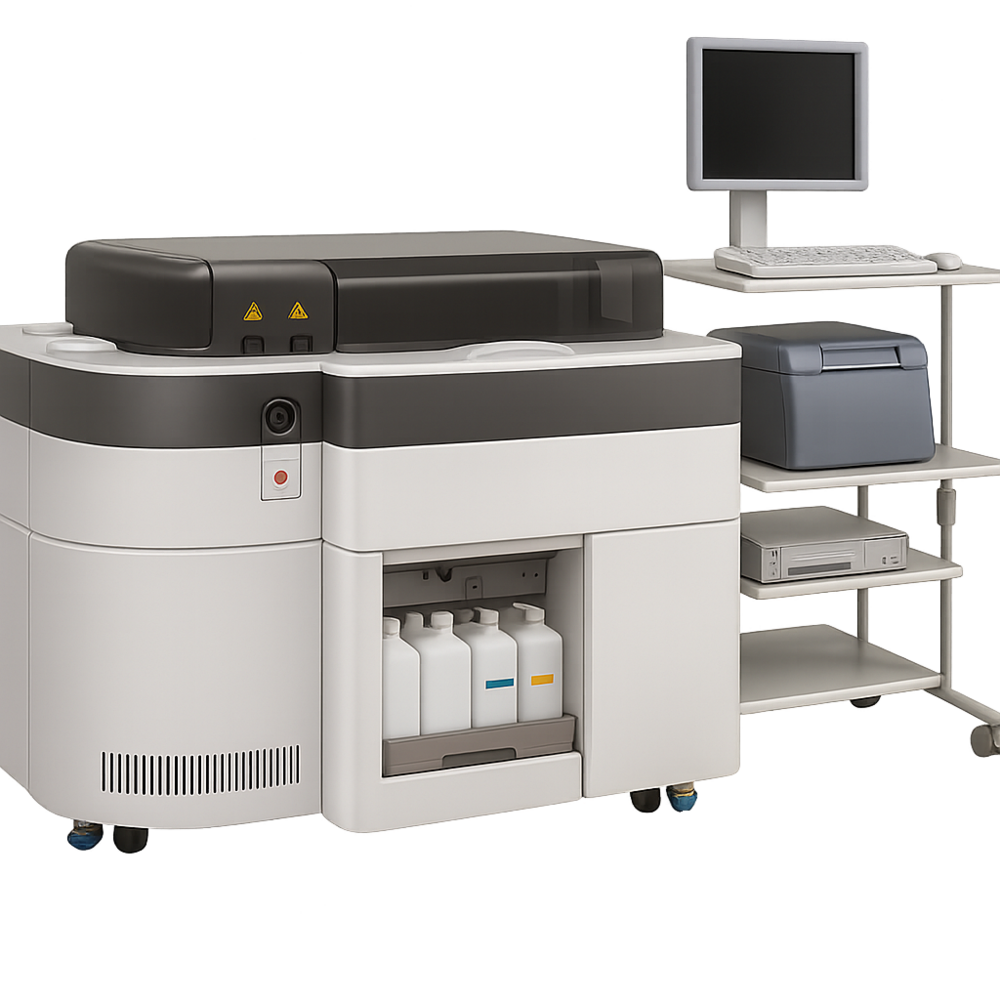
임상 실험실 (Clinical Laboratory)
용도: 임상 실험실은 환자 샘플을 분석하여 질병 진단, 치료 평가에 필요한 정보를 제공.
혈액, 소변, 조직 등의 샘플을 분석하며 병원과 보건 연구소에서 활용.
A clinical laboratory analyzes patient samples to provide critical information for disease diagnosis and treatment evaluation. It handles blood, urine, and tissue samples, serving hospitals and health research centers.
주요 장비: 혈액 분석기, 자동 화학 분석기, PCR 기기, ELISA 장비, 미생물 배양기 등
Blood analyzers, automated chemistry analyzers, PCR devices, ELISA instruments, microbial incubators.
특징: 환자의 건강과 관련된 중요한 정보를 다루기 때문에, 엄격한 규정과 품질 관리가 필요하며 감염성 물질의 취급에 각별한 주의가 필요 함.
The laboratory deals with essential health-related data, requiring strict compliance with regulations and quality control. Extra care is necessary when handling infectious materials.

법과학 실험실 (Forensic Laboratory)
용도: 법과학 실험실은 범죄 현장에서 수집된 증거를 분석하여 사건을 해결하는 데 필요한 증거를 제공.
DNA 분석, 약물 검사, 화학적 분석, 지문 검출 등이 포함 됨.
The forensic laboratory analyzes evidence collected from crime scenes to provide crucial information for solving cases. This includes DNA analysis, drug testing, chemical analysis, and fingerprint detection.
주요 장비: DNA 분석기, GC-MS, FTIR, 지문 분석 장비, 혈액형 검사 장비 등
DNA analyzers, GC-MS (Gas Chromatography-Mass Spectrometry), FTIR (Fourier-Transform Infrared Spectroscopy), fingerprint analysis tools, and blood typing instruments.
특징: 증거물의 정확성과 신뢰성이 중요하며, 법적 기준에 맞춰 엄격하게 데이터를 관리하고 분석 절차를 준수해야 함.
The laboratory prioritizes the accuracy and reliability of evidence, strictly adhering to legal standards and protocols for data management and analysis.
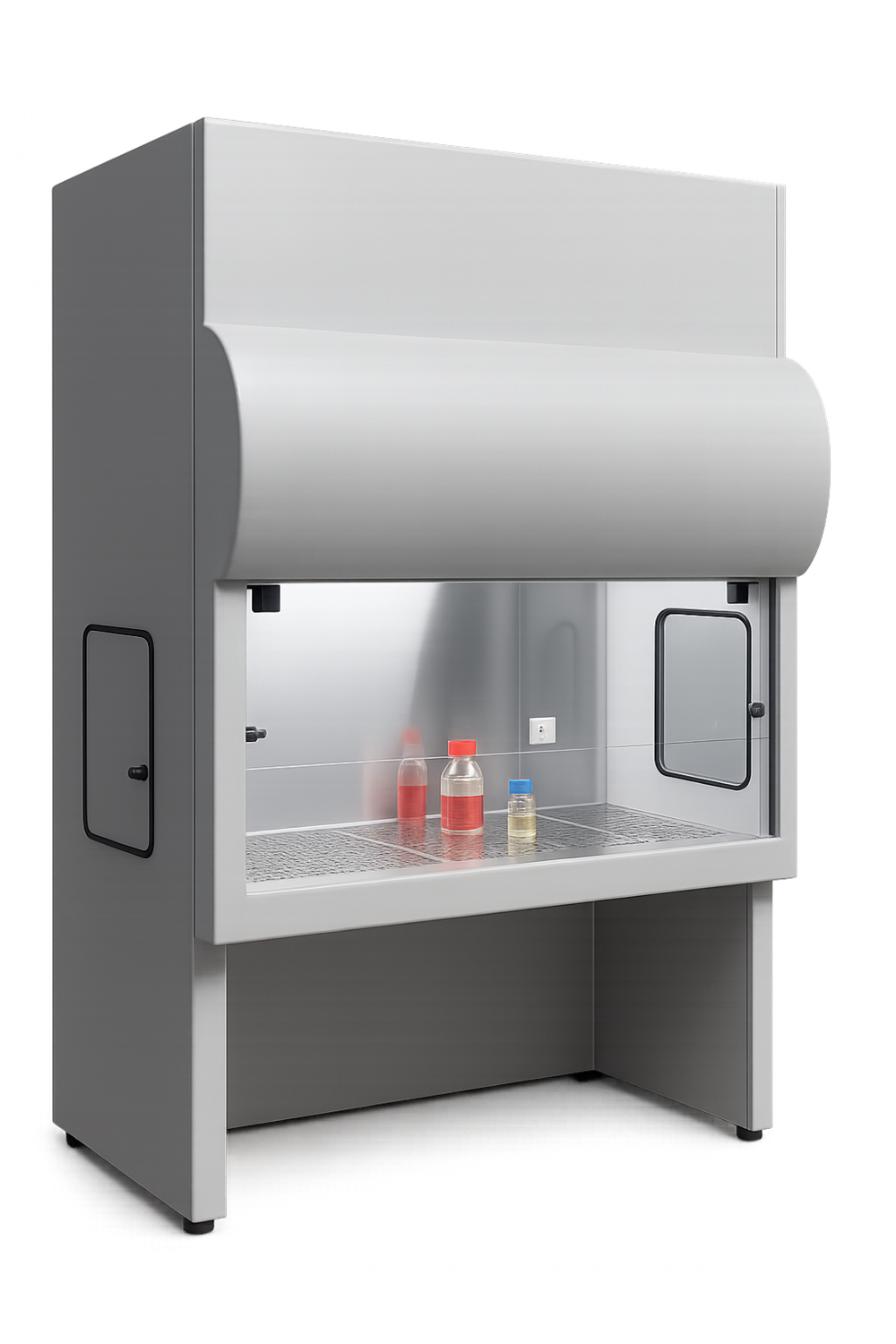
무균 실험실 (Clean Room / Aseptic Laboratory)
용도: 무균 실험실은 오염을 최소화하여 무균 환경에서 실험을 수행할 수 있는 곳으로, 반도체 제조, 의약품 제조, 미생물 배양 등에 사용.
A sterile laboratory is designed to minimize contamination, allowing experiments to be conducted in a controlled, sterile environment. It is commonly used in semiconductor manufacturing, pharmaceutical production, and microbial cultivation.
주요 장비: HEPA 필터, 무균 작업대, 공기 샤워, 양압 공조 시스템, 클린 벤치 등
HEPA filters Sterile workbenches Air showers Positive pressure HVAC systems Clean benches
특징: 청정도 관리가 필수적이며, 무균 상태를 유지하기 위해 온도, 습도, 먼지 농도 등을 엄격하게 관리 함.
Maintaining cleanliness is critical, requiring strict control over temperature, humidity, and particle concentration to ensure a sterile environment.